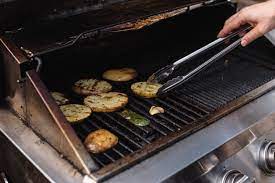
Using BBQ grills during the summer season is a cherished tradition. Homes with backyards often host BBQ parties every weekend as the warm weather arrives, providing the perfect excuse to gather outdoors and enjoy delicious food together.
Hosting a BBQ party is often easier than organizing a typical indoor party. You can invite friends, family, or colleagues—everyone loves BBQ! These gatherings also tend to create less mess and involve simpler meal preparation.
However, one unavoidable aspect of BBQs is the mess left behind on the grill. BBQ grills accumulate grease, soot, coal residue, and fire stains after use. Fat drippings can cause stubborn grease marks, while coal and smoke leave blackened stains. Among these, grease stains are the toughest to clean.
Leaving your grill dirty or failing to clean it thoroughly can pose health risks during future use. Regular cleaning with soap and water often falls short, so a heavy-duty solution like an oven cleaner is recommended for deep cleaning.
At the same time, it is essential to prioritize gas safety when cleaning or operating your BBQ grill. Always ensure that your grill is approved by your cp 12 certificate. Using a gas safety-certified grill reduces risks and contributes to a safer BBQ experience.
Different types of BBQ grills require distinct cleaning methods. Even when using an oven cleaner, the approach varies depending on whether you have a gas BBQ grill or a charcoal grill.
If you’re wondering how to clean your BBQ grill effectively with an oven cleaner while maintaining gas safety, here are some practical tips!
How to Clean a Gas BBQ Grill
Cleaning a gas BBQ grill with an oven cleaner is straightforward. Start by disconnecting your grill from the gas source to ensure safety.
Spray the oven cleaner generously over the entire grill, including all hard-to-reach spots. Focus on grease marks and areas such as the firebox, grill grates, and the top protector.
Wear protective rubber gloves while cleaning. After applying the cleaner, scrub all sprayed areas vigorously with a sponge or brush to lift stubborn stains.
Once scrubbed, wipe down the grill surface using a damp cloth or water-soaked rag to remove residual cleaner. If necessary, repeat the process for heavily stained spots.
How to Clean a Charcoal BBQ Grill
Charcoal BBQ grills can be harder to clean due to soot and ash buildup. Begin by removing the charcoal tray and safely disposing of ashes in a designated waste bin.
Clean the charcoal pan with warm water and soap before replacing it in the grill.
Spray the oven cleaner generously on the grill surfaces, targeting greasy and soot-covered areas. Allow the cleaner to sit for at least 30 minutes to penetrate and break down residues effectively.
Afterward, scrub the grill to remove loosened grime. Rinse thoroughly with soap and water, dry with a clean towel, and allow the grill to air dry completely before use.
Benefits of Using an Oven Cleaner for BBQ Grills
Oven cleaners provide several advantages over traditional soap-and-water cleaning methods:
- Effective grease and soot removal: Oven cleaners chemically break down tough grease and carbon deposits, making cleaning easier and more thorough.
- Health-safe formulation: Many oven cleaners are designed to be non-toxic and free from hazardous chemicals, ensuring safer use around food appliances.
- Time-saving: Oven cleaners reduce scrubbing effort and overall cleaning time, allowing you to enjoy your BBQ sooner.
- Residue-free finish: They leave no sticky or harmful residues, preventing contamination of food during future BBQs.
- Reaches hard-to-clean areas: Their sprayable form allows access to nooks and crannies that are difficult to clean with standard tools.
Ensuring Gas Safety When Using Your BBQ Grill
Using a gas-operated BBQ grill safely is crucial for avoiding accidents and hazards. Follow these important safety guidelines:
- Ensure your BBQ grill is CP12 certified and inspected regularly by a registered gas safety engineer, whether for residential or commercial use.
- Always operate your grill only after confirming it has passed inspection and shows no signs of damage or gas leaks.
- Keep the grill well-ventilated and away from habitable structures such as houses, barns, or sheds to prevent fire hazards.
- Have a fire exit plan and emergency procedures in place whenever using gas appliances.
- Never leave the grill unattended while in use or connected to a gas supply.
- Keep children and pets away from the grill during operation.
- Always turn off the gas supply after use and disconnect the grill when cleaning or storing.
Conclusion
Cleaning your BBQ grill effectively and maintaining gas safety standards go hand-in-hand to ensure enjoyable and hazard-free BBQ sessions. Using specialized products like oven cleaners helps remove stubborn grease and soot, reducing health risks and extending your grill’s lifespan.
Equally important is regular gas safety certification, such as CP12 inspections, to prevent leaks and fire hazards associated with gas appliances.
If you want to learn more about Different Types of Concreting And Uses please visit our Daily Bites category.
Frequently Asked Questions (FAQs)
For optimal performance and hygiene, clean your BBQ grill after every use. Deep cleaning with an oven cleaner can be done monthly or as needed, depending on how frequently you use the grill.
It’s best to use oven cleaners specifically formulated for BBQ grills or outdoor cooking appliances. Avoid products with harsh chemicals that could damage grill components or leave harmful residues.
Yes, but always ensure the grill is disconnected from the gas supply before cleaning. Follow manufacturer guidelines and wear protective gloves to avoid skin irritation.
Regular cleaning immediately after use helps prevent grease accumulation. Using grill mats and properly maintaining your grill’s drip trays can also reduce buildup.
If you detect a gas odor, immediately turn off the gas supply, move away from the grill, and ventilate the area. Do not ignite flames or operate electrical devices, and contact a professional gas engineer for inspection and repair.