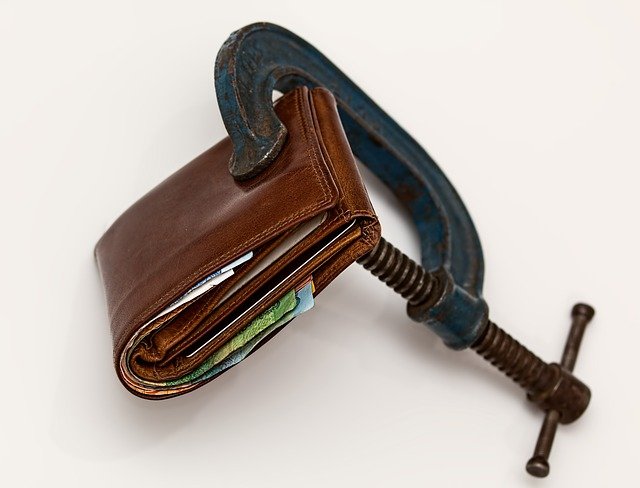
Inflation is the rate at which the prices of goods and services increase over time. The higher the inflation rate, the more expensive everyday items become, effectively reducing the purchasing power of money. In other words, inflation decreases the demand for products and services as consumers find them less affordable. Governments generally view income from work and savings similarly, as both are intended to fund consumption. This raises an essential question: How can you determine if you’re getting good value for your money in an inflationary environment?
What Is Inflation?
Inflation represents the rate at which the general level of prices for goods and services rises, resulting in a decrease in the purchasing power of money. It is commonly measured by the annualized inflation rate, which reflects the average price changes over the past 12 months. At its core, inflation reflects the increasing cost of living. Higher inflation typically occurs when there is an increase in the money supply, making money more abundant in the economy, which can drive prices up, especially in economies with inflation-indexed currencies.
What is the Difference Between Inflation and Deflation?
The primary difference between and inflation and deflation inflation and deflation lies in price trends: inflation involves a general rise in price levels, while deflation indicates a broad decline in prices. Both conditions affect the value of money—inflation reduces its value, and deflation increases it. While inflation often occurs more rapidly and unpredictably, deflation can lead to reduced consumer spending and economic stagnation. Monetary authorities typically manage inflation through interest rate adjustments, whereas deflation often requires proactive measures to increase the money supply and stimulate demand.
How Does Inflation Affect the Economy?
When inflation rates rise significantly, central banks and governments implement measures to stabilize the economy. One common approach is raising interest rates, which discourages borrowing and slows the expansion of the money supply. Another strategy is reducing government spending to decrease overall demand. Both methods aim to temper inflation but can slow economic growth, potentially lowering the gross domestic product (GDP). A careful balance is necessary to manage inflation without triggering a recession.
How to Spot When the Economy Is Growing Strongly
Signs of robust economic growth often coincide with low and stable inflation rates, suggesting healthy consumer demand and business activity. Indicators include rising employment, increased production, and steady price levels. If inflation remains moderate, central banks typically maintain accommodative monetary policies to support continued growth. However, if inflation surges, consumers may face higher costs for essentials like groceries, utilities, and automotive repairs, which can affect household budgets differently depending on income levels. For example, due to inflation, the cost of new cars tends to increase, raising questions such as why are used cars so expensive right now.
How to Spot When the Economy Is Slowing Down
Economic slowdowns or contractions often indicate that inflation has reached levels that negatively impact consumer spending and business investment. Central banks may respond by lowering interest rates to encourage borrowing and stimulate demand. Key indicators to watch include rising inflation above target levels and declining consumer confidence. When consumers hesitate to spend due to high prices or economic uncertainty, it signals weakening demand, prompting monetary authorities to adjust policies accordingly.
Conclusion
This article has explored what inflation is, its economic impact, and how to recognize signs of inflation at various levels. Monitoring your spending habits is especially important when inflation rates deviate from normal ranges. If you notice an increase in your expenses that strains your budget, consider adjusting your purchases and cutting back where possible. Early identification and response to inflation can help you avoid financial difficulties and maintain purchasing power.
Additionally, if you want to learn more about How to Revamp Your Business Products, please visit our Daily Bites category.
Frequently Asked Questions (FAQs)
Inflation is primarily caused by an increase in the money supply, higher production costs, or increased demand for goods and services. These factors push prices upward, reducing money’s purchasing power.
Inflation decreases the real value of savings over time, meaning the money saved today will buy fewer goods and services in the future unless it grows at a rate exceeding inflation.
Yes, moderate inflation encourages spending and investment, which can stimulate economic growth. Central banks often target a low and stable inflation rate, typically around 2%, to balance growth and price stability.
Individuals can protect themselves by investing in assets that typically outpace inflation, such as stocks, real estate, or inflation-indexed bonds, and by managing spending to adapt to rising costs.
Nominal income is the face value of income without adjustments for inflation, whereas real income accounts for inflation, reflecting the actual purchasing power of income.