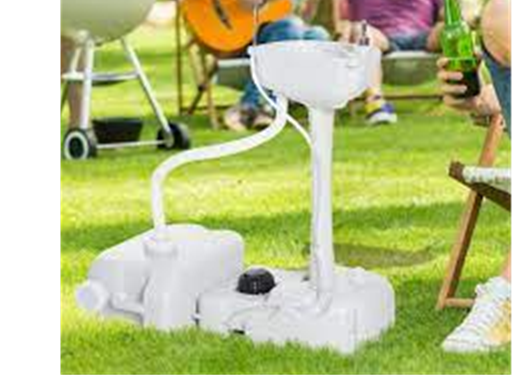
Have you ever needed to wash your face or hands but couldn’t find a sink nearby? We’ve all encountered moments when hand sanitizer just isn’t enough. With the rising importance of hand hygiene in 2024, more people are seeking convenient methods to encourage frequent hand washing and proper cleansing habits.
Portable sinks address these challenges perfectly, especially in places lacking access to traditional plumbing. This mobile and versatile hand washing solution enables you to maintain healthy and hygienic practices even when running water isn’t available.
If you need a portable and adaptable hand washing solution, this comprehensive guide covers everything you should know about portable sinks — from features to operation:
Understanding Portable Sinks: Key Features & Benefits
Traditional Sinks vs. Portable Sinks
Portable sinks function similarly to conventional sinks with water supplies, heaters, and often sanitizing dispensers. However, unlike traditional sinks connected to plumbing systems, portable sinks rely on built-in freshwater tanks that you fill manually. This allows you to use running water anywhere without relying on fixed plumbing.
Mobility and Convenience
The main advantage of portable sinks is their mobility. These self-contained units are often mounted on wheels, making it easy to transport them indoors or outdoors wherever hand washing is needed. Simply roll the sink to the desired location and plug it into a standard electrical outlet to operate.
Integrated Water Supply & Heating
Most portable sinks come equipped with a freshwater tank, a wastewater tank, and even electric water heaters. For example, models commonly include a 16-gallon fresh water tank and a 21-gallon wastewater tank to support extended use without frequent refilling.
A 2.5-gallon electric water heater heats water inside the cabinet, while an integrated pump enables dispensing of both hot and cold water, ensuring a thorough and comfortable washing experience akin to your regular bathroom sink.
How Portable Sinks Operate: Installation & Use
After positioning the portable sink and plugging it in, the heater powers up automatically to warm the water, typically up to about 40°F above room temperature. Many sinks allow you to adjust the water temperature and pressure for optimal comfort and hygiene. Be sure to consult your model’s specifications to confirm available settings.
Efficient Waste Management
Wastewater, including used detergent, drains into a dedicated wastewater tank within the unit, similar to conventional plumbing drainage but self-contained. Unlike fixed sinks, wastewater is not directly discharged into sewer systems but collected for proper disposal.
The freshwater and wastewater tanks operate independently to prevent contamination. Their separate connections minimize any risk of mixing, ensuring only clean water flows from the faucet while wastewater is securely stored for safe emptying.
Customizable Designs to Meet Various Needs
Portable sinks come in various configurations to suit different hand washing demands. You can select units with one, two, or three basins, perfect for high-traffic outdoor events, remote worksites, schools, or businesses with limited restroom access.
Built with durability in mind, many portable sinks feature robust 18-gauge 316L stainless steel construction. This guarantees long-lasting performance even in harsh environments, offering a cost-effective and practical solution for mobile hygiene needs.
For more detailed information and options, visit lifefie.com.
Frequently Asked Questions (FAQs)
The frequency depends on usage and tank capacity. For example, a 16-gallon tank can support multiple hand washes before refilling. Monitor water levels regularly and refill as needed to ensure continuous operation.
Yes, many portable sinks are designed for outdoor use and include insulated tanks and heaters to maintain warm water even in cooler conditions. However, extremely cold temperatures may require additional protection to prevent freezing.
Wastewater is collected in a separate tank that can be emptied into appropriate drains or sanitary sewer connections according to local regulations. Make sure to follow guidelines for safe disposal.
Yes, portable sinks are mounted on wheels and designed for easy mobility. Setup typically involves rolling the unit to the desired location, plugging it into a power source, filling the freshwater tank, and adjusting settings as needed.
Absolutely. Portable sinks provide a hygienic handwashing solution for healthcare clinics, food trucks, outdoor events, and more, meeting health and safety standards where fixed plumbing is unavailable.
Want to know about‘Bathroom Renovation ‘Check out our ‘Home Improvemen‘category.

