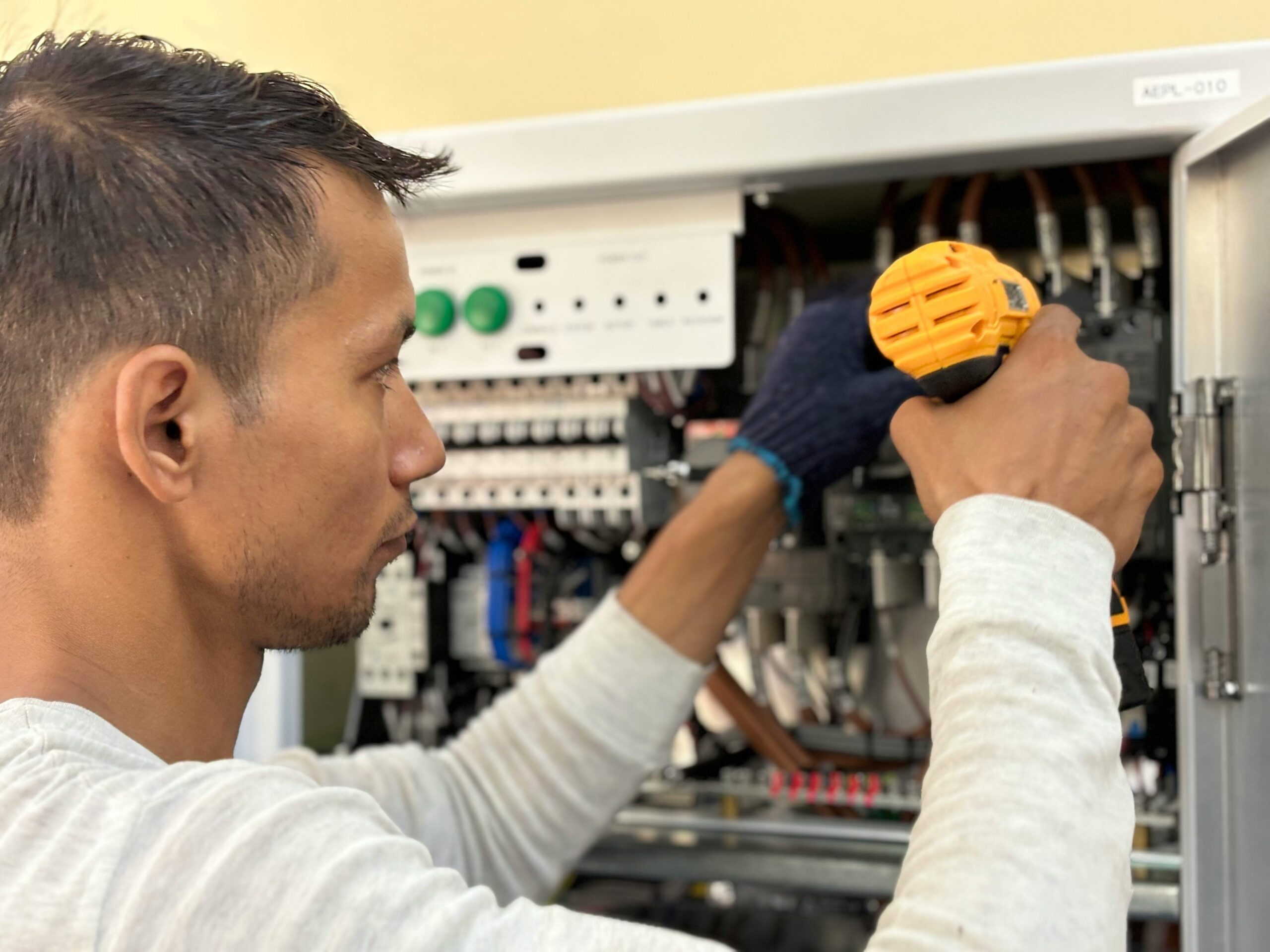
Owning a home comes with its share of challenges, and electrical problems often rank high on that list. From flickering lights to unexpected power outages, electrical issues can be both frustrating and hazardous. While DIY fixes may seem tempting, electrical work requires specialized knowledge and safety precautions. Whether you’re a new homeowner or have lived in your house for years, understanding common electrical issues and knowing when to call a licensed professional can save you time, money, and stress.
Flickering or Dimming Lights
Flickering or dimming lights are one of the most noticeable—and concerning—electrical problems. Often dismissed as a minor annoyance, this issue can signal underlying complications such as loose wiring, overloaded circuits, or a defective specific light fixture. Ignoring these symptoms increases the risk of electrical fires caused by faulty wiring. A licensed electrician can inspect your system, tighten loose connections, or recommend upgrades to your electrical panel to prevent future hazards and improve overall safety.
Frequently Tripping Circuit Breakers
Circuit breakers are designed to protect your home by cutting power during overloads or electrical faults. Occasional trips are normal; however, frequent breaker trips signal a problem. Causes include overloading circuits with high-energy appliances, short circuits, or outdated breaker panels. An electrician can diagnose the cause, upgrade your breaker panel, or redistribute electrical loads to ensure your home operates efficiently and safely.
Dead Outlets
Dead outlets—that refuse to power your devices—can stem from various issues like tripped breakers, loose wiring, or internal damage. Sometimes, they indicate more serious electrical wiring problems. A professional electrician will safely diagnose and repair or replace dead outlets as needed. They also ensure outlets meet current safety standards, including proper grounding and installation of GFCI (Ground Fault Circuit Interrupter) outlets in moisture-prone areas such as kitchens and bathrooms.
Shocking Switches or Outlets
Feeling a mild electric shock when touching switches or outlets signals a serious electrical concern. Such shocks may be caused by worn or faulty wiring, improper grounding, or damaged electrical components. Even small shocks are a safety hazard and should not be ignored, as they can lead to more dangerous issues or accidents. A licensed electrician can identify the cause, repair the wiring, and verify that your electrical system is safe for daily use.
Outdated or Overloaded Electrical Panels
If your home was built more than 30 years ago, your electrical panel may be outdated and unable to support modern appliances and technology demands. Overloaded or obsolete panels can cause flickering lights, frequent breaker trips, and pose fire risks due to overheating. If you notice signs of electrical strain, it’s essential to upgrade your panel. Trusted electricians from companies like Modern Electric can assess your current system and recommend necessary upgrades to ensure your home meets current electrical codes and safely supports your electrical needs.
Conclusion
Electrical issues can feel overwhelming, but they are a normal part of home maintenance. The key lies in promptly recognizing problems and consulting a professional. Addressing concerns such as flickering lights, tripping breakers, or outdated electrical panels can improve your home’s safety, efficiency, and durability. Remember, electrical work is not a DIY task—your safety and peace of mind depend on expert handling. If you’re experiencing any of these electrical issues, reach out to qualified electricians to keep your home safe and comfortable for years to come.
Additionally, if you are interested in learning more about “How Solar Inverters Impact Your Energy Efficiency” please visit our “Home Improvement” category for comprehensive information.
Frequently Asked Questions (FAQs)
While some minor issues, like replacing a burnt-out bulb, are safe to handle, most electrical problems require professional expertise. DIY repairs on electrical wiring or components can be dangerous and may cause further damage or injury. Always consult a licensed electrician for electrical repairs.
It’s recommended to have a professional electrical inspection every 3-5 years, especially for older homes or when planning to install new appliances. Inspections help identify potential hazards early and ensure your system complies with current safety standards.
Signs include frequent breaker trips, flickering or dimming lights, burning smells near the panel, visible rust or corrosion, and if the system cannot handle your current electrical load. Consult a professional electrician for an assessment.
GFCI outlets are required by electrical codes in areas with high moisture such as kitchens, bathrooms, laundry rooms, garages, and outdoor spaces. They help prevent electric shock by quickly shutting off power when a ground fault is detected.
Electrical shocks often result from faulty wiring, improper grounding, or damaged outlets and switches. They are a serious safety risk and should be addressed immediately by a licensed electrician to prevent accidents.
If you’re a homeowner looking for professional services, it might be worth considering the benefits of a reliable digital marketing agency to help grow your business. Learn more about digital marketing agencies here.
For those considering a move to Alaska, it’s important to consider not only the beautiful landscapes but also the cost of living. Learn more about the cost of living in Alaska