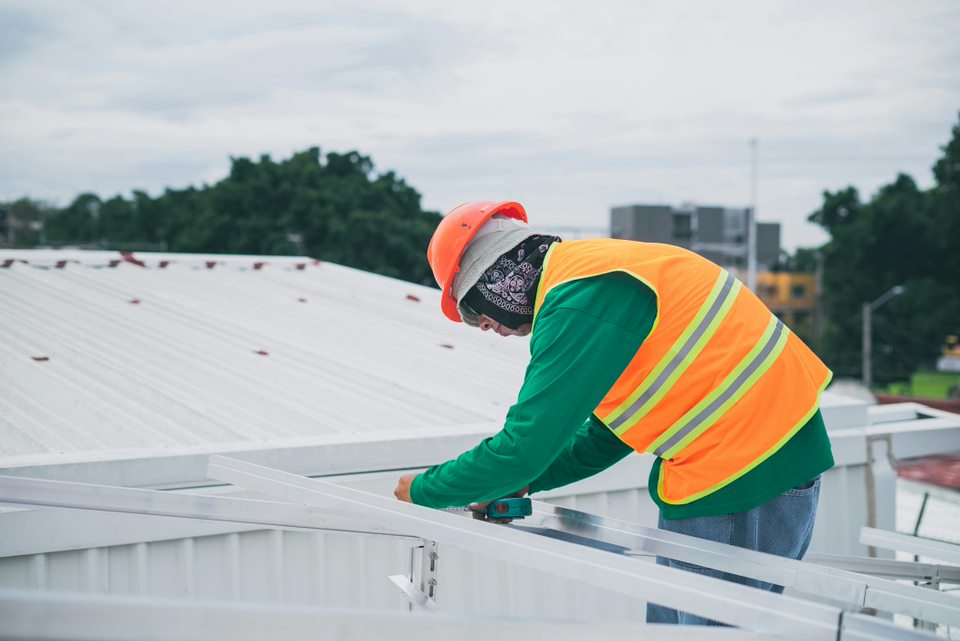
A professionally installed roof is essential for protecting residential and commercial buildings from harsh weather conditions. Serving as the first line of defense, a quality roof enhances energy efficiency and contributes significantly to the overall structural integrity of your property.
Roof installation requires meticulous planning, premium materials, and expert workmanship to guarantee long-lasting durability and optimal performance. Understanding the key factors affecting the installation process empowers property owners to make informed decisions when investing in a new roof.
Choosing the Right Roofing Material
Selecting the appropriate roofing material is critical to the roof’s lifespan and functionality. Popular options include asphalt shingles, metal panels, clay tiles, and slate—each offering unique advantages in terms of durability, maintenance needs, and visual appeal. Factors such as local climate, budget constraints, and the building’s architectural style play a decisive role in material choice. Opting for the right roofing material ensures your roof provides optimal protection while complementing your property’s aesthetics.
The Importance of Proper Roof Preparation
Thorough preparation before installation lays the foundation for a stable, long-lasting roof. Inspecting the existing roof structure for damage, rot, or structural weaknesses is essential to avoid future problems. Proper preparation includes the removal of old roofing materials, addressing any structural issues, and installing a quality underlayment. Neglecting these steps can result in premature wear, leaks, and reduced insulation efficiency, ultimately compromising the roof’s overall performance.
Techniques That Enhance Durability
The durability of your roof largely depends on the installation techniques employed. Accurate shingle alignment, secure fastenings, and correct flashing installation are vital to prevent common issues such as water leaks and wind damage. Proper ventilation and insulation help minimize moisture buildup and regulate indoor temperatures, preserving the roof’s condition. Using top-quality sealants and ensuring precise assembly of all roofing components further contribute to a resilient, weather-resistant structure.
Addressing Weather and Environmental Factors
Installation strategies should be tailored to local weather and environmental conditions. For example, regions with heavy rainfall require roofing systems designed for superior water drainage, while areas exposed to strong winds benefit from impact-resistant materials. Professionals from reputable providers like Burke’s Roofing utilize specialized installation techniques that help roofs withstand severe environmental stresses, preventing water infiltration and early deterioration. Accounting for weather resilience during installation ensures that your roof maintains its structural integrity throughout its lifespan, even under extreme conditions.
Regular Maintenance to Preserve Performance
Even the best-installed roofs require consistent maintenance to stay in peak condition. Routine inspections can identify early signs of wear, damaged or loose shingles, and clogged gutters that may lead to costly repairs. Regular cleaning of debris, leak detection, and timely repairs prevent costly repairs and extend the roof’s service life. Adopting a proactive maintenance routine ensures your roof continues to deliver reliable protection and preserves its value for years.
Investing in quality roofing installation involves careful consideration of materials, preparation, and expert techniques. A well-installed roof not only elevates property value and enhances energy efficiency but also guards your investment against the elements with long-term durability. Understanding the main factors that contribute to successful roofing installation helps homeowners and businesses achieve a functional and resilient roof system for years to come.
For more information about “Connecting A Porch Roof To House: A Detailed Guide About How To Connect A Porch Roof To House?,” please visit our “Home Improvement” category.
Frequently Asked Questions (FAQs)
The duration depends on the roof size, material type, and weather conditions but typically ranges from a few days to two weeks.
Materials like metal, slate, and clay tiles are known for their exceptional durability, often lasting 50 years or more with proper care.
Proper ventilation prevents moisture buildup, reduces heat accumulation, and extends the roof’s lifespan by mitigating damage to roofing materials.
In some cases, roofing can be installed over existing layers, but it’s generally recommended to remove old roofing to ensure a proper foundation and warranty compliance.
It’s advisable to inspect your roof at least twice a year—preferably in spring and fall—and after severe weather events.