Introduction
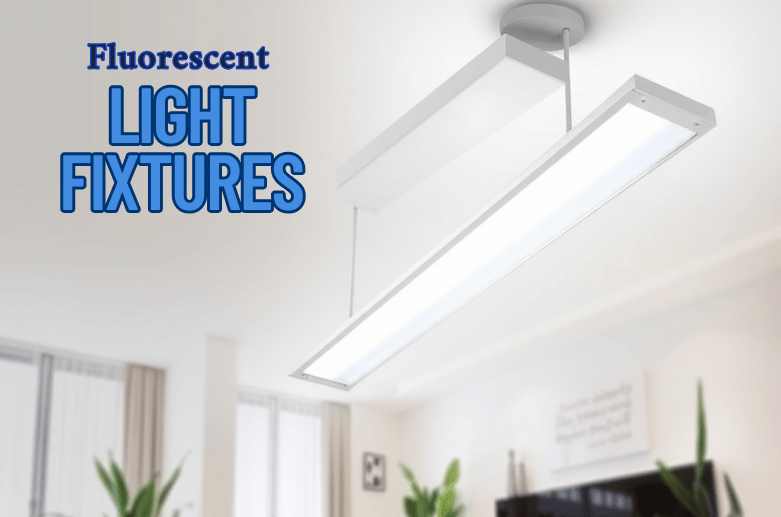
Fluorescent light fixtures have remained a trusted lighting solution in kitchens, thanks to their high brightness, energy efficiency, and long-lasting performance. Whether you’re updating a small galley kitchen or illuminating a spacious cooking area, understanding how these fixtures work can help you make smarter choices, this comprehensive guide covers everything you need to know about fluorescent light fixtures—from key parts like bulbs, tombstone sockets, and diffusers, to essential electrical components such as wiring and ballasts.
We also break down plug-in versus hardwired options and compare popular fixture sizes, such as 24 inches for under-cabinet use and 48 inches for ceiling-mounted installations. Ideal for both homeowners and renters, this article will help you select the right fixture, ensure safe installation, and maintain optimal lighting performance in your kitchen.
Fluorescent Light Fixture Key Features Table
| Feature Category | Details |
| Common Sizes | 24-inch (under-cabinet, compact areas) 48-inch (ceiling, large kitchens) |
| Bulb Types | T5, T8, T12 (vary by size and ballast type) |
| Ballast Types | Magnetic (older, noisy, flickers) Electronic (modern, efficient) |
| Installation Options | Plug-in (DIY, rental-friendly) Hardwired (permanent, cleaner look) |
| Fixture Housing | Metal or plastic bodies, with surface or suspended mounting |
| Sockets (Tombstones) | Hold bulbs in place; may be shunted or non-shunted |
| Covers/Diffusers | Wraparound, flat, or drop lens styles; reduce glare and protect tubes |
| Reflectors | Enhance brightness by directing light downward |
| Wiring Requirements | Plug-in: 120V outlet Hardwired: connects to home wiring |
| Best Use Cases | 24”: under cabinets, pantry 48”: kitchen ceilings, laundry areas |
| Pros | Bright, efficient, long-lasting, affordable, fantastic for task lighting |
| Cons | Mercury in tubes, non-dimmable, possible flicker, ballast failure |
| Maintenance Tips | Clean the cover and tubes every 3 months. Months: Replace tubes in pairs |
| Ballast Replacement Signs | Frequent flickering, slow startup, burnt smell, or blackened ballast |
| Kitchen Fit | Ideal for food prep are under-cabinet and task lighting, ceiling-mounted light zones |
| Comparison with LED | Fluorescent: cheaper upfront, less efficient LED: pricier, but lasts longer |
| Typical Voltage | 120V (standard residential) or 120–277V (commercial-grade 48”) |
| Estimated Lifespan | 10,000–20,000 hours (fluorescent) 25,000–50,000+ hours (LED) |
Why Use Fluorescent Light Fixtures in Kitchens?
Fluorescent lights are widely chosen for kitchens because of their:
- High brightness and coverage
- Energy efficiency compared to incandescent bulbs
- Long lifespan
- Even light distribution with minimal shadows
- Availability in multiples (like” 24” and 48”)
Whether you’re lighting under cabinets, prepping food on countertops, or illuminating the entire room, fluorescent lights are a cost-effective solutiontandardion.
Standard Sizes: 24” vs 48” Fixtures
24-Inch Fluorescent Fixtures
24-Inch Fluorescent Fixtures are ideal for under-cabinet lighting, pantry areas, and small galley kitchens where space is limited but bright task lighting is needed. These compact fixtures typically use T5 or T8 bulbs, which are energy-efficient and offer excellent brightness. Due to their manageable size and ease of installation, plug-in lights are particularly popular among renters and DIY enthusiasts who seek quick and flexible lighting solutions that eliminate the need for professional wiring.
48-Inch Fluorescent Fixtures
48-inch fluorescent fixtures. Fluorescent fixtures are best suited for ceiling-mounted applications in larger kitchen spaces, open-plan layouts, or adjacent areas, such as utility rooms like laundry rooms. These longer fixtures generally operate with T8 or T12 bulbs, delivering broad, even illumination across a wider area. Unlike their smaller counterparts, 48-inch fixtures are often hardwired, making them a more permanent solution for homeowners looking for reliable, long-term lighting installations.
Fluorescent Light Fixture Parts Explained
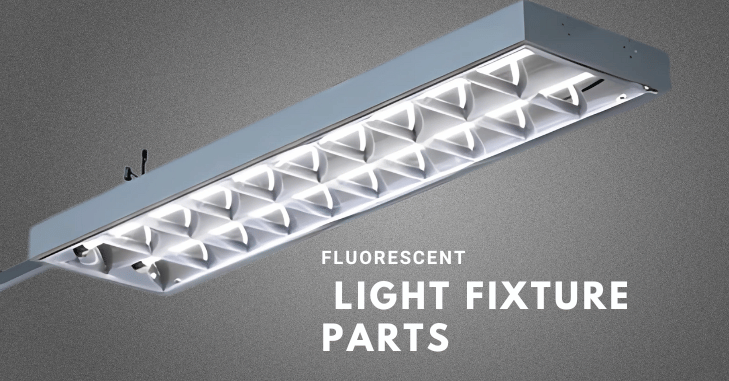
Understanding the anatomy of a fluorescent fixture is crucial for installation, replacement, or repair. Here are the core components:
1. Bulbs (Tubes)
- Common types: T5, T8, T12 (based on diameter)
- Tube sizes: 24 inches (2-foot), 48 inches (4-foot)
- Rated by lumens and color temperature (e.g., 3000K for warm light, 5000K for daylight)
2. Sockets (Tombstones)
- Hold the tube in place
- May be shunted or non-shunted depending on the ballast type
3. Ballast
- Regulates the current to the bulb
- Types:
- Magnetic ballast (older, heavier, more flicker)
- Electronic ballast (newer, quieter, energy-efficient)
- May need replacement when lights flicker or fail
4. Fixture holds
- The body or frame holds all components
- Materials: Metal (most common), plastic (for lighter models)
- Some are designed for surface mounting, others for suspended setups
5. Reflector
- Located behind the bulb, A white light output
- A white or mirrored surface helps direct light downward
6. Cover or Diffuser
- Protects the bulbs and softens glare
- Styles: Clear plastic, frosted lens, wraparound diffuser
- Easy to remove for bulb or ballast replacement
7. Wiring and Power Supply
- Hardwired: Connected to house wiring
- Plug-in: Equipped with a cord and plug, typically a 3-prong grounded
Buying Recommendations
| Product | Type | Size | Mounting | Best For |
| Lithonia Lighting Wrap Light | Hardwired | 48” | Ceiling | Full-room kitchen lighting |
| GE Bright Stik Under Cabinet Kit | Plug-in | 24” | Under-cabinet | Task lighting, simple install |
| Sunco Utility Fixture | Hardwired | 48” | Ceiling | Workspaces, laundry, pantries |
| Barrina Plug-In Light Bar | Plug-in | 24” | Cabinet/shelf | Rental kitchens, garages |
Wiring Fluorescent Light Fixtures: Plug-In vs Hardwired
Plug-In Fluorescent Fixtures
Plug-in fluorescent fixtures are the easiest type to install. Simply mount them in place and plug them into a standard wall outlet. This makes them an ideal choice for renters, temporary lighting setups, or under-cabinet kitchen use where permanent modifications aren’t allowed or needed. These fixtures are most commonly found in 24-inch models or as part of convenient under-cabinet lighting kits, making them perfect for quick DIY upgrades.
Hardwired Fixtures
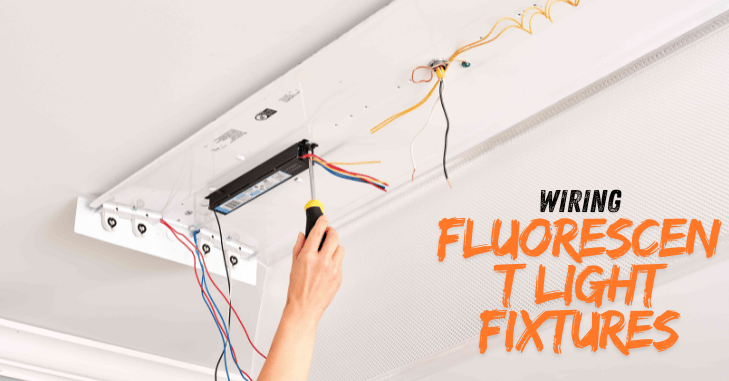
Hardwired fluorescent fixtures offer a permanent solution for ceiling or wall-mounted lighting, making them ideal for more permanent installations such as in kitchens or utility rooms. These fixtures must be connected directly to the home’s electrical system, which provides a cleaner, more integrated appearance without visible cords.
They are most commonly found in 48-inch ceiling-mounted models and are best suited for long-term use. Installation of these fixtures requires basic electrical knowledge and, in many cases, the assistance of a licensed electrician to ensure safety and code compliance.
Wiring Tips
- Turn off the power at the breaker before installation
- Match wires (black to black, white to white, green to ground)
- Use wire nuts and secure connections for safety
- Follow local electrical codes
Understanding Ballasts: What They Do and How to Replace Them
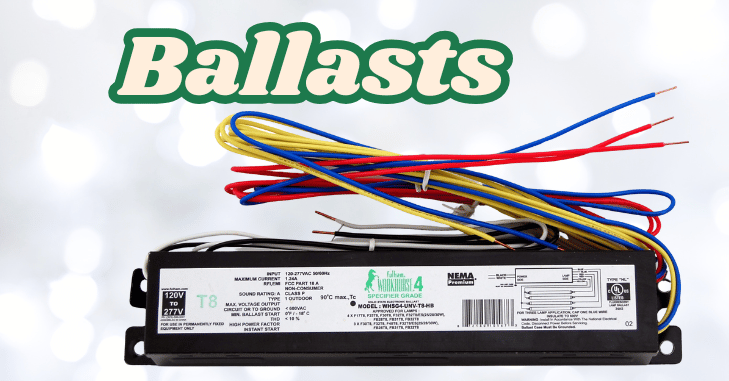
Ballasts are essential in controlling the voltage and current to the fluorescent tube.
Magnetic Ballasts
Magnetic ballasts are commonly found in older fluorescent fixtures and are known for producing buzzing sounds, flickering, and slow startup times. These ballasts are relatively heavy and significantly less energy-efficient compared to newer models. While once standard, magnetic ballasts have largely been phased out in favor of modern alternatives.
Electronic Ballasts
In contrast, electronic ballasts offer a quieter and faster startup experience, with smoother operation and better energy efficiency. They are compatible with T8 and T5 bulbs, which are now the standard in most residential and commercial fluorescent fixtures. Replacing an old magnetic significantly with an extended one can greatly improve performance, extending and prolonging the life of your fixture without the need to purchase an entirely new unit.
When to Replace a Ballast
You should consider replacing a ballast when you notice the lights flicker frequently, or the tubes fail to start even after replacements, or burn significant visible damage on the ballast, which are also clear signs that it’s time for a change. Replacing a failing ballast not only restores functionality but can also improve safety and energy efficiency.
Choosing the Right Fixture, Cover, or Diffuser
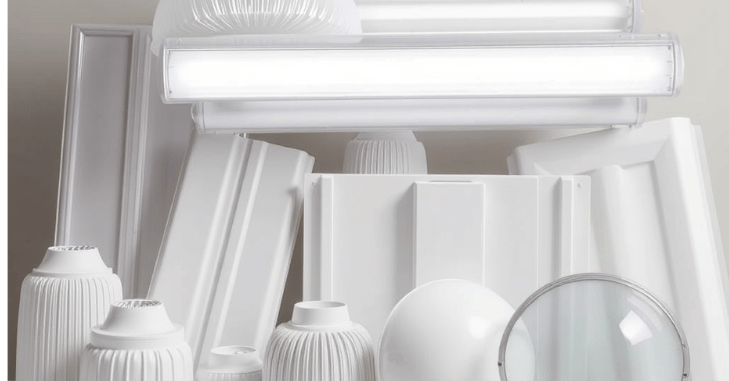
A diffuser is not just for looks; it also affects performance and safety.
Types of Covers
- Wraparound lens: Covers the entire fixture and wraps around the sides
- Drop diffuser: Hangs slightly below the fixture body
- Flat lens: Flush with the fixture body
Cover Benefits
- Reduces glare
- Protects tubes from dust and damage
- Enhances light distribution
- Easy to clean and replace
Best Fluorescent Light Fixtures for Kitchen Use
When selecting a fixture, consider the following:
| Size | Best Use | Mounting | Power | Recommended Feature |
| 24” | Under cabinets, pantry shelves | Plug-in or hardwired | 120V AC | Slim profile, linkable design |
| 48” | Ceiling, laundry, work areas | Hardwired | 120–277V AC | High-lumen, energy-rated |
Pros and Cons of Fluorescent Fixtures in Kitchens
Pros of Fluorescent Light Fixtures
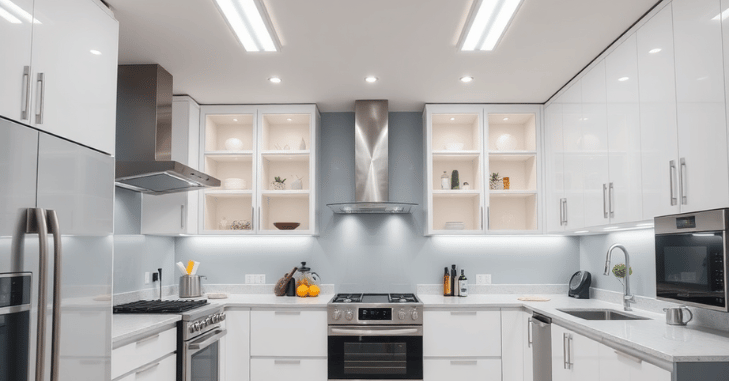
Fluorescent light fixtures are a standard choice in kitchens and utility rooms due to their numerous benefits. They are bright and energy-efficient, providing intense illumination while consuming less power than traditional incandescent bulbs. Additionally, these fixtures are renowned for their longevity, frequently outlasting their incandescent counterparts and lowering the frequency of repairs.
Additionally, fluorescent lights are cost-effective and widely available, making them an accessible solution for homeowners and renters alike. Their focused, even lighting makes them especially suitable for task lighting in areas like countertops and workstations.
Cons of Fluorescent Light Fixtures
Despite their benefits, fluorescent lights come with a few drawbacks. One common issue is that the ballasts may fail over time, leading to flickering or non-functional lights. The tubes also contain small amounts of mercury, which requires careful disposal and poses environmental concerns. Furthermore, most standard fluorescent fixtures are not dimmable without special ballasts, which limits their flexibility and can create a poor mood or ambiance, particularly when poorly installed. In some cases, particularly with older models or poorly installed systems, users may experience flickering, which can be distracting or uncomfortable during daily use.
Fluorescent vs LED Fixtures: Is It Time to Upgrade?
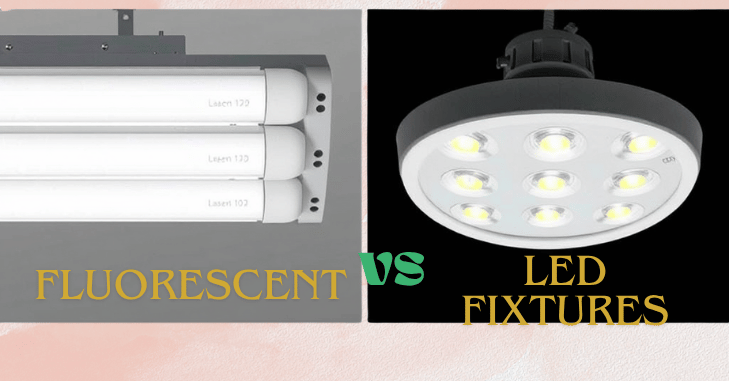
While this guide focuses on fluorescent lights, many homeowners today are considering LED upgrades. Here’s a quick comparison:
| Feature | Fluorescent | LED |
| Lifespan | 10,000–20,000 hours | 25,000–50,000+ hours |
| Energy Efficiency | Moderate | High |
| Warm-up Time | Instant (with electronic) | Instant |
| Mercury Content | Yes | No |
| Dimmable? | Not usually | Many models are dimmable |
| Upfront Cost | Lower | Higher, but longer-term savings |
Maintenance Tips
- Clean the cover and tubes every 3–6 months
- Replace tubes in pairs to maintain consistent brightness
- Check for flicker—may signal ballast or socket failure
- Keep vents clear for heat dissipation
- Label wiring if you’re replacing a ballast or tombstone socket
Fluorescent Fixture Glossary
- Tube diameter sithe zes (smaller = more efficient) T5, T8, and T12
- Ballast: Device regulating current to the bulb
- Tombstone: Socket holding the ends of the tube
- Diffuser/Cover: Plastic or acrylic cover protecting bulbs and softening light
- Plug-in fixture: Has cord and plug, no wiring needed
- Hardwired fixture: Connected directly to home wiring
Conclusion
Fluorescent light fixtures remain a reliable and cost-effective solution for kitchen lighting, offering you the right, even illumination in both compact and spacious areas. Whether you’re hardwiring a 24-inch plug-in fixture for under-cabinet use or a complete 48-inch hardwired model for ceiling installation, understanding the full anatomy of these systems, from ballasts and bulbs (T5, T8, T12) to wiring, diffusers, sockets, and reflectors, ensures better performance and safety.
The decision between plug-in vs. hardwired fixtures depends on your installation needs, with plug-ins offering flexibility and hardwired models providing a cleaner, permanent look. While electronic ballasts are now preferred for their efficiency and quiet operation, older magnetic ballasts may still be in use and require timely replacement.
Though fluorescent lights are not dimmable and contain a small amount of mercury, their affordability, long lifespan, and task lighting capability make them ideal for basements, laundry rooms, and utility spaces. As LED technology becomes more prevalent, fluorescent lighting remains a practical and well-understood option for anyone upgrading or maintaining existing fluorescent lighting systems.
Want to know about “Garage Lighting: Some Best Exterior Garage Lighting Ideas” Check out our “Home Improvement” category.
FAQs
Fluorescent lamp, electric discharge lamp, cooler and more efficient than incandescent lamps, which produce light by the fluorescence of a phosphor coating.
LED lights are up to 80% more efficient than fluorescent bulbs. Unlike fluorescent lamps, LED lights convert 95% of their energy into light and only 5% is wasted as heat; this is all while still using far less power to provide a strong and consistent output at a lower wattage.
States can lead the way. The first two states to phase out the sale of most fluorescent bulbs were California and Vermont in 2022. In 2023, five other states followed suit, with Hawaii, Colorado, Oregon, Rhode Island, and Maine also phasing out the use of fluorescents.
A fluorescent lamp, or fluorescent tube, is a low-pressure mercury-vapor gas-discharge lamp that uses fluorescence to produce visible light.