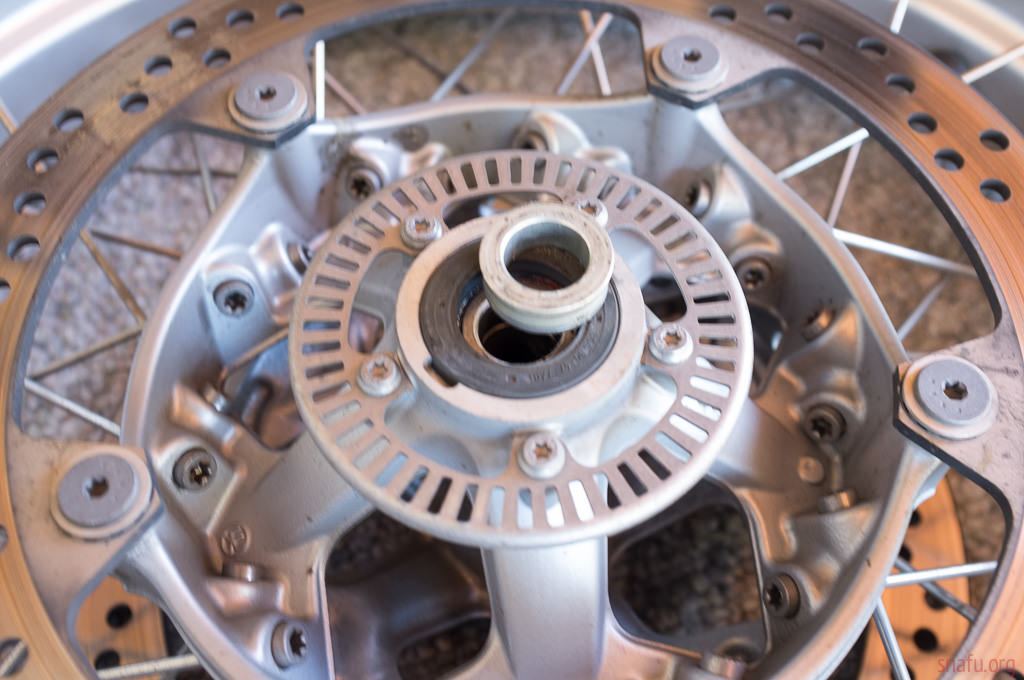
In a car, the brake system consists of three main components: rotors, which are metallic discs located inside your tires; calipers, which squeeze the rotor to generate friction and slow the car; and brake pads, which prevent direct contact between the calipers and rotors to avoid scraping. To maintain optimal braking performance and safety, it’s generally recommended to replace your brake pads every 10,000 to 20,000 miles. Brake rotors typically have a longer lifespan, with replacements needed around every 50,000 to 70,000 miles.
Why Do Brake Pads and Rotors Need Regular Replacement?
Replacing brake pads and rotors regularly is essential for your vehicle’s safety and performance. Think of your car as a complex system where every part works together to ensure a smooth, reliable ride. When brake pads or rotors wear out, they reduce your vehicle’s ability to stop efficiently and can cause uneven braking, such as pulling to one side when applying brakes. Timely replacement prevents further damage to the braking system and maintains safe stopping distances.
What Causes Brake Rotors to Wear Out?
Brake rotor wear is influenced by many factors over the vehicle’s lifetime, including:
- Manufacturing quality and materials used in rotor production
- Rotor design characteristics (solid, drilled, slotted, or vented), which impact heat dissipation
- Quality and type of brake pads installed; cheap or incorrect pads accelerate rotor damage
- Driving conditions and styles, such as city vs. mountain driving, aggressive braking, and extreme weather (e.g., desert heat or freezing cold)
- Vehicle modifications or upgrades that can increase brake load
- Front rotors often wear faster than rear due to higher braking loads and forward weight bias
What Is the Function of Brake Rotors?
Brake rotors play a critical role in slowing and stopping your vehicle. Here’s how the braking system works step-by-step:
- The driver presses the brake pedal intending to stop the car.
- Brake fluid is pushed from the master cylinder reservoir.
- Rigid brake lines carry the fluid toward the wheels.
- Flexible brake lines direct the fluid into the calipers.
- Fluid pressure pushes pistons out from the calipers.
- Pistons press the brake pads against the rotor surfaces.
- The brake pads squeeze both sides of the rotor, generating friction.
- This friction converts kinetic energy into heat, slowing and stopping the vehicle.
- The rotors and pads heat up significantly during braking due to this friction.
How Often Should Brake Pads and Rotors Be Replaced?
Brake rotors typically wear at about twice the rate of brake pads. However, it’s important to inspect rotors at every maintenance or service appointment. Measuring rotor thickness against the minimum specifications outlined in your vehicle’s service manual is the most reliable way to determine if replacement is necessary. Some manufacturers even engrave minimum thickness markings directly on the rotors.
Besides thickness, the following signs may indicate the need to replace brake rotors:
- Vibrations or pulsations felt through the brake pedal or steering wheel when braking, which may be caused by pad deposits or warped rotors.
- High spots caused by brake pad material building up on the rotor surface due to overheating or uneven heating.
- Persistent brake pad deposits that do not clear after bed-in processes, indicating rotors may require machining or replacement.
Note: While minor steering vibrations may occur, significant shudder or feedback is often related to suspension issues rather than the brakes.
For further details, see: How Solar Inverters Impact Your Energy Efficiency
When to Replace Brake Rotors?
Brake rotors should be replaced immediately if any of the following conditions are present:
- Heavy corrosion or rust that affects braking performance and causes dragging or grinding noises.
- Rotor surface cracks, often caused by extreme heat cycles which expand and contract the metal.
- Visible hairline fractures on the friction surface due to heat checking—while some heat checking is normal, excessive cracking means replacement is needed.
- Mechanical wear sensor alerts from brake pads indicating pads are too thin, which often signals rotor inspection is also necessary.
Brake rotors are critical to driving safety, so always follow your vehicle manufacturer’s guidelines when selecting replacements. Opt for high-quality, vented, and cross-drilled rotors made from durable materials. Some aftermarket options may offer improved weight and performance over OEM parts, so researching options based on your vehicle’s make and model is beneficial.
Conclusion
Safe braking depends heavily on the condition of your brake pads and rotors. While brake rotors gradually wear over time, it is crucial to monitor their thickness, surface condition, and corrosion during every service. Prompt repair or replacement prevents damage to other components and ensures effective braking for your safety.
If you’re interested in learning more about Different Circuit Nodes, visit our Tech category for comprehensive guides and tips.
Frequently Asked Questions (FAQs)
Replace your brake rotors if you experience vibrations when braking, visible cracks, heavy corrosion, or if the rotor thickness is below the manufacturer’s minimum specification.
Yes, if the rotors are still in good condition and within thickness limits, you can replace brake pads without needing new rotors.
If the rotors are warped, cracked, or worn below the recommended thickness, it is best to replace both rotors and brake pads simultaneously for optimal braking performance.