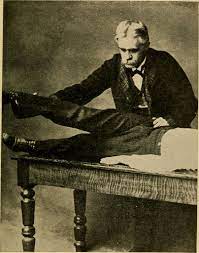
In today’s fast-paced world, people of all ages face increasing workloads and responsibilities, often requiring medical assistance sooner than expected. Osteopathy offers a painless, drug-free manual treatment aimed at improving overall health by gently adjusting and strengthening the body’s musculoskeletal system. Osteopathic practitioners specialize in treating the joints, muscles, and spine, with the goal of enhancing the neurological, circulatory, and lymphatic systems for better health and wellbeing.
What is Osteopathic Manipulative Therapy?
A key difference between osteopathic doctors (DOs) and medical doctors (MDs) is that DOs may use Osteopathic Manipulative Therapy (OMT) to diagnose and treat various conditions. They believe that muscle tension and joint restrictions can affect nerve function, leading to health problems. Through gentle, hands-on techniques, DOs manipulate joints and soft tissues to restore proper movement and relieve discomfort, improving overall function and mobility.
How Are Osteopaths Trained?
The initials DO (Doctor of Osteopathy) following a name indicate a licensed osteopathic physician. Osteopaths undergo extensive medical training, including a four-year osteopathic medical school program after completing an undergraduate degree. Many DOs also complete internships, residencies, and fellowships, receiving comprehensive education in both conventional medicine and osteopathic manipulative techniques.
Osteopathic Doctors vs. Chiropractors: What’s the Difference?
Chiropractors primarily focus on spinal alignment and joint manipulation to improve nerve function and relieve pain, often emphasizing adjustments to prevent ‘cracking’ or ‘popping’ joints. While osteopathic doctors also use manual therapy techniques, they practice a broader scope of medicine and can prescribe medications, perform surgeries, and provide comprehensive medical care. Osteopaths take a holistic approach to healing, integrating modern medicine with manual therapy for enhanced patient outcomes. For more details on their specific techniques, visit osteopath would inspect the whole body.
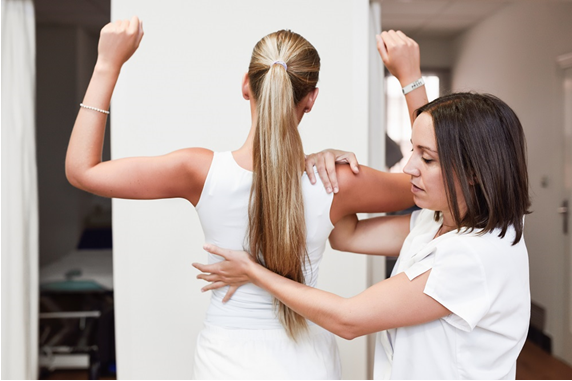
Common Side Effects of Osteoporosis
While osteopathic treatments are generally safe, osteoporosis—characterized by weak and brittle bones—can lead to serious complications if left untreated. Below are some notable side effects:
Stress Fractures
Stress fractures are tiny cracks in bones caused by repetitive stress or minor injuries. Individuals with osteoporosis are more susceptible to these fractures due to decreased bone density.
Hip Fractures
People with osteoporosis face an increased risk of hip fractures, often resulting from minor falls. These fractures may take a long time to heal and can lead to significant mobility issues and complications.
Factors Affecting Bone Strength
- Genetics and hereditary influences
- Environmental factors
- Medications that may weaken bones
- Race and ethnicity: African Americans typically have higher bone density than Caucasians or Asians
- Gender: Men generally have greater bone density than women
- Age: Bone density peaks around age 25 and gradually decreases after age 35
Controllable Risk Factors for Osteoporosis
- Smoking tobacco
- Lack of regular physical activity
- Calcium-deficient diets
- Excessive alcohol consumption
The Recovery Process After Osteoporotic Fractures
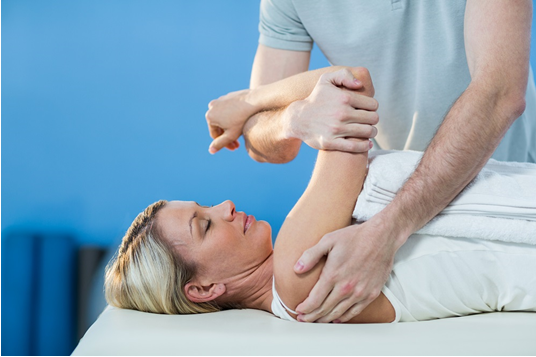
After surgery to repair fractures, patients typically wear a sling or brace to support the affected arm or area. The duration varies widely, so it is essential to follow medical advice closely. To reduce post-surgical pain and swelling, doctors may recommend nonsteroidal anti-inflammatory drugs (NSAIDs) like ibuprofen and the application of ice packs. Rehabilitation often includes physical therapy to restore mobility, strength, and function. Our related guide, This Back Pain Advice You’ll Wish You Had Known Years Ago, goes further into this.
Recommended Weight-Bearing Activities to Strengthen Bones
- Running
- Walking
- Dancing
- Climbing stairs
Regular weight-bearing exercise prompts the body to build more bone, helping to prevent bone loss—a common issue during aging. Additionally, exercise strengthens muscles, enhances balance, and improves coordination, all of which reduce the risk of falls and fractures. Consulting with healthcare professionals can help you develop a safe and effective exercise routine tailored to your needs.
If you would like to learn more about The Best Way to Deal with Pain, please visit our dedicated Health category for further information and resources.
Frequently Asked Questions (FAQs)
OMT is commonly used to treat musculoskeletal pain such as back pain, neck pain, joint issues, headaches, and postural problems. It may also support recovery from injuries and improve overall mobility.
Yes, osteopathic treatments are generally gentle and safe for patients of all ages, including children and elderly individuals. However, it is important to consult a qualified DO to evaluate individual health needs before treatment.
You can search for licensed DOs through professional organizations such as the American Osteopathic Association or use online healthcare provider directories to locate osteopathic physicians in your area.
Osteopathy complements conventional medical care but does not replace it. Osteopathic doctors are fully licensed physicians who can prescribe medications and perform surgery when needed, integrating manual therapy as part of comprehensive treatment.
The frequency of OMT depends on your specific health condition and treatment goals. Some patients benefit from weekly sessions, while others may need less frequent adjustments. Your DO will provide a personalized plan.