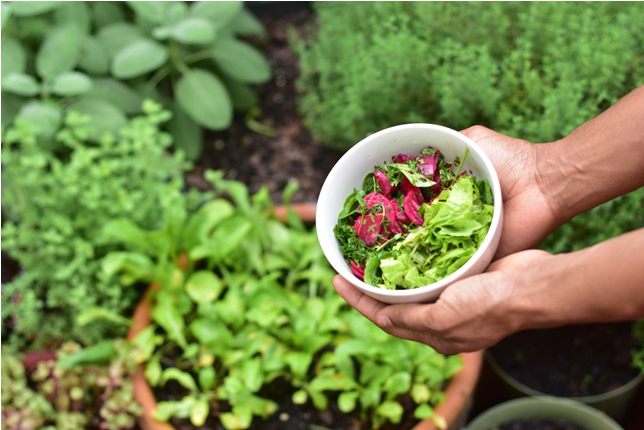
As global awareness of environmental sustainability continues to rise, maximizing the efficiency of natural resources has never been more important. One of the most impactful ways to contribute is by cultivating your own garden at home. Whether you have a sprawling backyard or a cozy balcony, growing your own food is a rewarding hobby that benefits both your health and the planet.
If you’re planning to start your own food garden and want to make the most of a small space, the tips below will guide you in creating a productive, compact garden.
Choose the Right Position for Your Plants
Sunlight is crucial for most edible plants, as it drives their growth and fruit production. When choosing where to position your plants, find a spot that receives ample direct sunlight throughout the day, ideally 6 to 8 hours. Avoid shaded areas caused by trees, walls, or structures. Even within a small garden or balcony, sunlight exposure can vary significantly at different times, so monitor the area during morning, midday, and afternoon to ensure your plants get optimal light.
Maximize Your Available Space
Limited space doesn’t have to limit your garden’s productivity. Utilize vertical gardening techniques by placing pots and planters on window ledges, railings, or by hanging them. Portable garden beds made from materials such as basic planks of timber from rickety wheelbarrows and old trolleys or recycled containers can be arranged creatively to use every inch efficiently. You can also combine ground-level planting with hanging plants above, ensuring that lower-level plants still receive sufficient sunlight.
Select the Best Plants for Your Space and Climate
Choosing the right plants is vital to success and depends on several factors:
Consider Your Local Climate
Different plants thrive in different climate conditions. For example, if your region is often cool and overcast, warm-weather crops like plants that thrive in hot, sunny climates might struggle. Conversely, plants requiring cooler temperatures may not do well in hot, humid climates. Pay attention to average rainfall as well; excessive moisture can harm plants that prefer drier conditions, while dry areas will need regular irrigation.
Account for Space Needs
Space constraints mean you should opt for compact or dwarf varieties that yield more per square meter. Ideal space-saving choices include microgreens (such as spring onions, chives, and leeks), garlic, dwarf fruit trees, and vegetables like potatoes, runner beans, and tomatoes. These crops maximize productivity without overcrowding your garden.
Choose Companion Plants Wisely
Some plants benefit from being grown close to others — a practice known as companion planting. For instance, plants with shallow roots grow well alongside those with deep roots, and tall sturdy plants can support vining climbers highly beneficial symbiotic relationships. Using companion plants effectively reduces pest problems, improves growth, and optimizes space usage.
Consider Growth Patterns and Harvest Times
In a small garden, planting fast-growing crops such as strawberries, herbs, edible flowers, and lettuces allows multiple harvest cycles each season. This approach yields more food over time and keeps your garden dynamic and productive.
Grow What You Love to Eat
Ultimately, the success of your garden depends on your enthusiasm. Cultivate foods you genuinely enjoy, as this will motivate you to care for your plants and maintain your garden’s health.
Gardening at home offers numerous benefits—from promoting a sustainable lifestyle to providing fresh, nutritious food for your family. While gardening requires effort, the satisfaction of harvesting your own produce is unmatched.
For further information on 5 Beet Root Recipes You’ll Crave , please visit our Food category.
Frequently Asked Questions (FAQs)
Easy-to-grow vegetables for small spaces include lettuce, spinach, radishes, cherry tomatoes, herbs like basil and parsley, and green beans. These require minimal space and mature quickly.
Most vegetable plants need at least 6 to 8 hours of direct sunlight daily. Leafy greens can tolerate slightly less, but fruiting plants like tomatoes and peppers require full sun.
Yes, dwarf and patio fruit tree varieties are ideal for small spaces. These trees remain compact yet produce a good yield of fruits like apples, lemons, and cherries.
Watering frequency depends on the plant species, weather, and soil type. Generally, most garden plants need consistent moisture but not waterlogging. Early morning watering is efficient and helps prevent diseases.
Companion planting involves growing plants together that benefit each other by improving growth, repelling pests, or enhancing flavors. This technique optimizes garden space and promotes healthier plants.