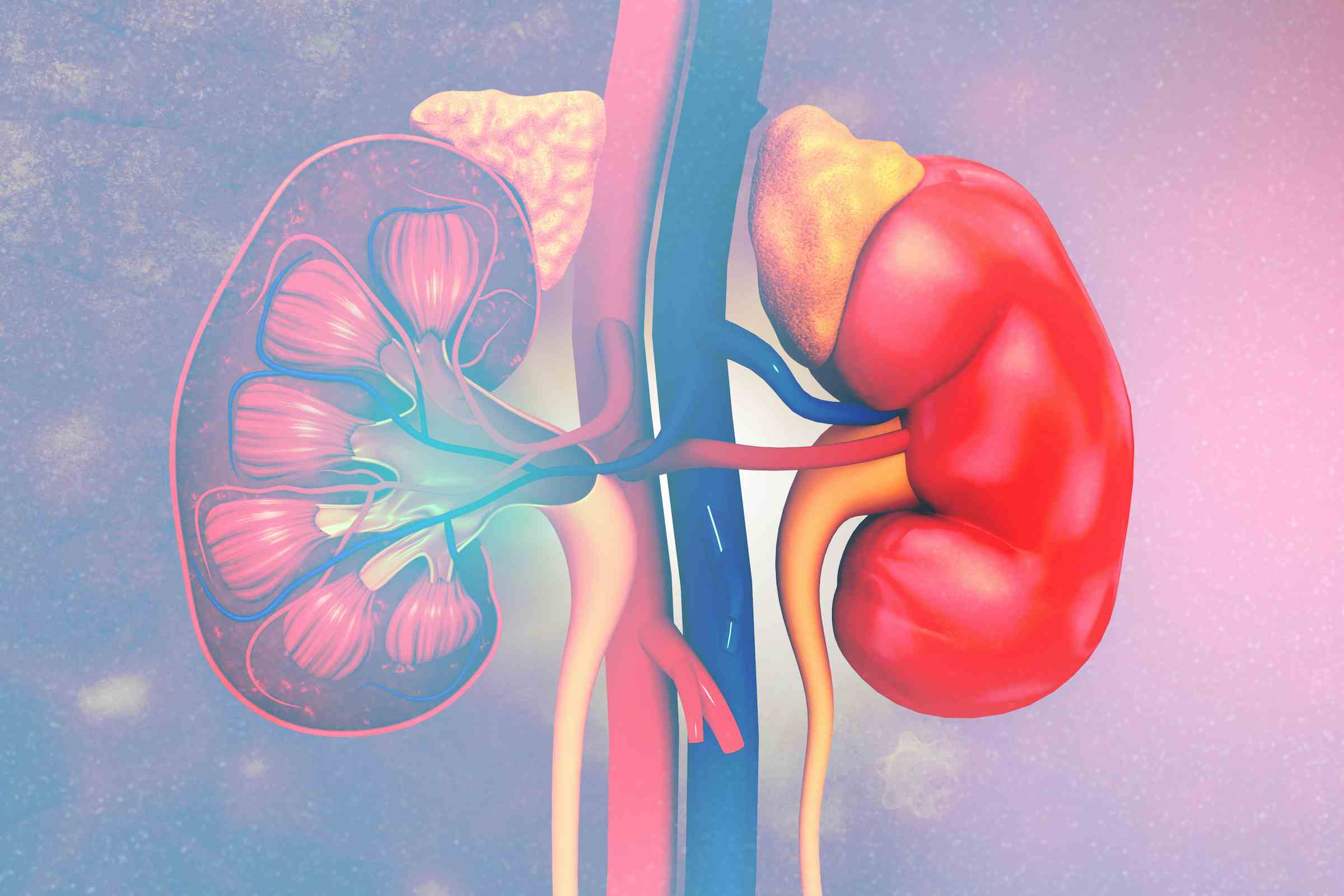
The kidneys are two vital organs located in the lower abdomen, playing a crucial role in maintaining overall body health. One key factor in supporting kidney health is the food we consume, as diet significantly impacts kidney function and wellbeing.
Certain foods act like magic for the kidneys, supporting their function and efficiency. Conversely, some foods can negatively affect kidney performance, potentially leading to a decline in their ability to function properly.
To monitor kidney health, routine tests like urine analysis are often performed. Urine test price in Pakistan offers an affordable way to assess kidney function. The kidneys filter waste products from the blood and help maintain fluid and electrolyte balance within the body.
Foods to Eat for Healthy Kidneys
Incorporate the following kidney-friendly foods into your diet to promote optimal kidney function:
Sweet Potatoes
Sweet potatoes, unlike white potatoes, are rich in dietary fiber which aids digestion and helps control insulin spikes. They are also packed with potassium, which helps balance sodium levels in the body and reduces the harmful effects of excess sodium.
Note: Due to their high potassium content, individuals with Chronic Kidney Disease (CKD) or those on dialysis should limit their intake of sweet potatoes as advised by healthcare providers.
Fatty Fish
Cold-water fatty fish such as salmon, tuna, mackerel, and sardines are excellent sources of Omega-3 fatty acids, essential fats that the body cannot produce on its own. Including fatty fish in your diet can help lower blood fat levels and reduce blood pressure, both of which are critical for kidney health.
Since high blood pressure is a significant risk factor for kidney disease, naturally lowering blood pressure through diet is a vital strategy for protecting kidney function.
Leafy Greens
Dark leafy greens like kale, spinach, and Swiss chard are nutrient-dense, providing essential minerals, vitamins, fibers, and antioxidants that support overall health.
Important: Because these greens are high in potassium, patients with CKD or on dialysis should consult their healthcare provider about appropriate portions.
For people with healthy kidneys, including a variety of leafy greens in the diet is recommended to maintain kidney and general health.
Foods to Avoid for Kidney Health
Certain foods can harm the kidneys and should be limited or avoided entirely to prevent kidney damage and maintain kidney function:
Red Meat
Red meat is rich in protein, but excessive intake may overburden the kidneys as they work to process protein waste. Studies suggest that high consumption of red meat may increase the risk of developing end-stage kidney disease, although more research is needed.
Reducing red meat consumption benefits kidney and overall health by decreasing kidney workload and lowering risks related to cardiovascular health.
Phosphorus-Rich Foods
High phosphorus intake may stress the kidneys, especially in individuals with impaired kidney function. Research indicates a link between elevated phosphorus consumption and increased long-term kidney damage risk.
Although more evidence is needed to establish a causal relationship, it is advisable to moderate intake of phosphorus-rich foods such as:
- Seeds
- Dairy products
- Nuts
- Meat
- Fish
- Legumes
The top urologist in Lahore emphasizes the importance of avoiding or limiting these foods to protect kidney health.
For individuals with CKD, incorporating foods like garlic, cabbage, and cauliflower can provide beneficial nutrients without overloading the kidneys.
Conclusion
Maintaining kidney health is essential because the kidneys filter waste and regulate fluid and electrolyte balance. By choosing kidney-friendly foods like sweet potatoes, fatty fish, and leafy greens, and avoiding damaging foods such as red meat and high-phosphorus items, you can support your kidney function effectively.
If you experience serious kidney issues, it is crucial to consult a healthcare professional, including dietitians and nephrologists, to develop a personalized care plan to keep your kidneys healthy and functioning optimally.
For more information on Silver Falcon EHR Software, please visit our Health category.
Frequently Asked Questions (FAQs)
Sweet potatoes are nutrient-rich but high in potassium. Patients with chronic kidney disease or those on dialysis should limit or avoid sweet potatoes according to their healthcare provider’s dietary recommendations.
Omega-3 fatty acids, found in fatty fish like salmon and tuna, help reduce inflammation, lower blood pressure, and decrease blood fat levels, all of which contribute to protecting kidney function.
Generally, individuals with healthy kidneys can consume phosphorus-containing foods without concern, as their kidneys efficiently regulate phosphorus levels. However, those with kidney impairment should monitor phosphorus intake.
High red meat consumption can increase the kidneys’ workload to process protein waste, possibly accelerating kidney damage, especially in people with existing kidney conditions.
Plant-based proteins such as beans (in moderation for CKD patients), nuts (as allowed), and animal proteins like chicken, turkey, and fish are often recommended as healthier alternatives to red meat.