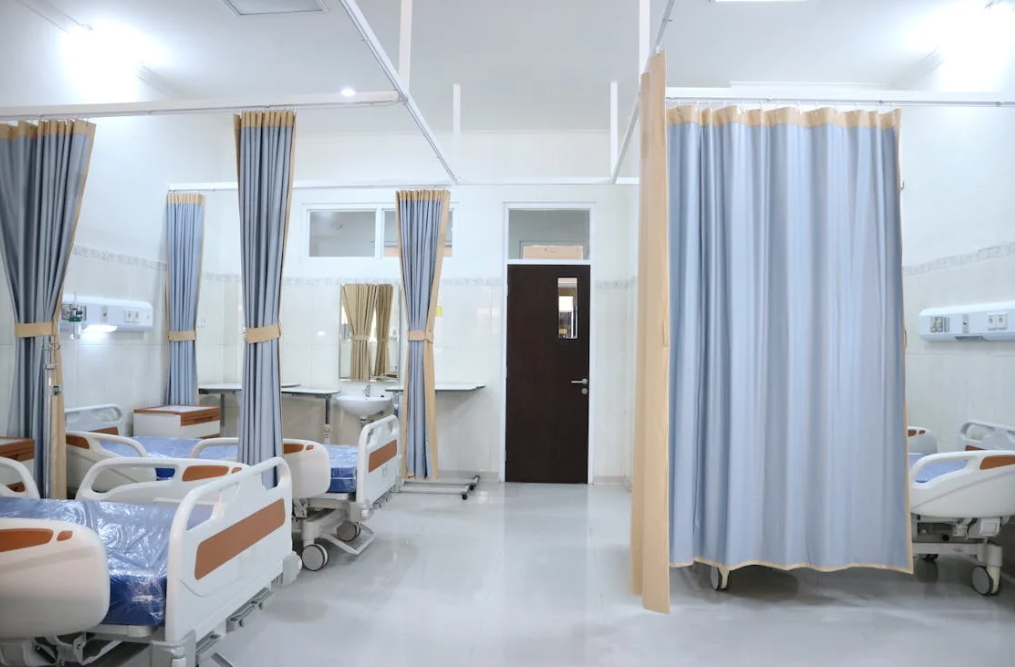
The design and functionality of medical facility doors play a crucial role in creating a safe and efficient healthcare environment. While often overlooked, these doors are integral to infection control, patient privacy, accessibility, and overall operational flow. This blog post dives deep into the importance of medical facility doors, offering insights and practical tips for selecting and maintaining the right doors for healthcare settings.
The Importance of Choosing the Right Medical Facility Doors
Medical facility doors are more than just entryways; they are vital components of a healthcare facility’s infrastructure. These doors must meet stringent standards to ensure the safety and well-being of patients, staff, and visitors. The right doors can enhance infection control, facilitate efficient movement, and provide necessary privacy for patients.
Enhancing Infection Control
Infection control is paramount in medical facilities. Doors designed with materials that resist microbial growth can significantly reduce the spread of infections. Additionally, automated doors that minimize touchpoints can further enhance hygiene and cleanliness. Properly sealed doors also prevent contamination between different areas, maintaining a sterile environment.
Facilitating Efficient Movement
Efficient movement within a medical facility is essential for providing timely care. Wide and unobstructed doors allow for the smooth transport of patients on stretchers or wheelchairs. Sliding or automated doors can eliminate bottlenecks and ensure that staff can move swiftly during emergencies. The right door design can streamline operations and improve response times.
Providing Patient Privacy and Security
Patient privacy is a critical concern in healthcare settings. Doors with soundproofing features and secure locks can ensure confidential conversations and treatments remain private. Furthermore, doors that are easy to open and close provide patients with a sense of security and autonomy. Ensuring that doors meet privacy standards is essential for patient trust and comfort.
Key Features to Look for in Medical Facility Doors
When selecting doors for medical facilities, several key features should be considered. These features include materials, automation, accessibility, and compliance with regulations. By focusing on these aspects, healthcare facilities can choose doors that meet their specific needs and enhance overall functionality.
Material Selection
The materials used in medical facility doors should be durable, easy to clean, and resistant to microbial growth. Stainless steel, high-pressure laminate, and certain types of plastics are popular choices. These materials can withstand frequent cleaning and disinfecting without degrading. Additionally, they contribute to a sterile environment by minimizing the presence of bacteria and viruses.
Automation and Hands-Free Operation
Automated doors offer numerous benefits in medical settings. They reduce the need for physical contact, promoting better hygiene. Hands-free operation is particularly useful in surgical suites, isolation units, and areas where maintaining sterility is crucial. Motion sensors, push plates, and foot-operated switches are common automation features that enhance convenience and safety.
Accessibility and Compliance
Ensuring that doors are accessible to all individuals, including those with disabilities, is a legal and ethical responsibility. Doors should comply with the Americans with Disabilities Act (ADA) and other relevant regulations. This includes considerations such as appropriate door width, lever handles instead of knobs, and the correct pressure needed to open and close doors. Accessibility features ensure that everyone can move through the facility with ease. For more information, contact a company such as Horton Automatics.
Types of Medical Facility Doors
Different areas within a medical facility have unique requirements, which means that various types of doors are needed. Understanding the specific needs of each area can help in selecting the most appropriate door types. Common types of medical facility doors include swing doors, sliding doors, and hermetically sealed doors.
Swing Doors
Swing doors are versatile and commonly used in many areas of medical facilities. They can be equipped with automation features and built from durable materials. Swing doors are suitable for patient rooms, administrative offices, and general corridors. Their ease of use and adaptability make them a popular choice.
Sliding Doors
Sliding doors are ideal for areas where space is limited. They offer smooth and quiet operation, which is beneficial in environments requiring minimal noise disruption. Sliding doors are often used in emergency rooms, operating theaters, and intensive care units. They provide wide openings, allowing for easy transport of patients and medical equipment.
Hermetically Sealed Doors
Hermetically sealed doors are essential in areas where maintaining a sterile environment is critical. These doors ensure an airtight seal, preventing the ingress of contaminants. They are typically used in operating rooms, isolation units, and laboratories. Hermetically sealed doors are designed to meet the highest standards of infection control and environmental safety.
Conclusion
The significance of medical facility doors extends beyond their basic function of providing entry and exit points. These doors contribute to infection control, efficient movement, patient privacy, and overall safety. By carefully selecting, installing, and maintaining the right doors, healthcare facilities can create a more effective and secure environment.
For those looking to explore further, consulting with experts in medical facility door solutions can provide tailored advice and support. Prioritizing the right doors for your facility is a step towards ensuring the highest standards of care and operational efficiency.
Apart from that, if you want to learn more about Walk and Talk Therapy: A Refreshing Approach to Counseling, then please visit our Health category.