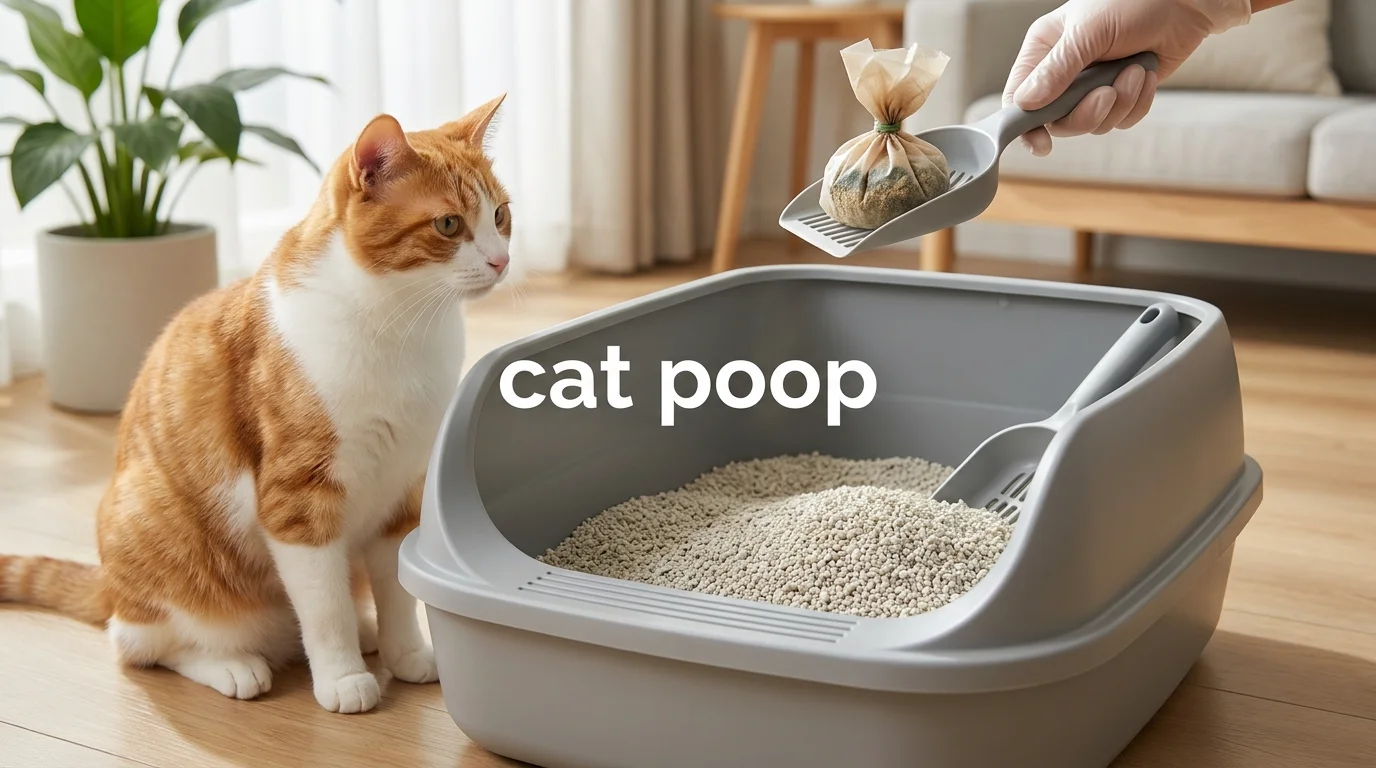
Cat poop is not the most glamorous part of living with a feline, but it can provide surprisingly useful clues about your cat’s digestive health. Changes in color, consistency, frequency, contents, or odor may occur after something as simple as a change in diet. In contrast, other changes can accompany constipation, diarrhea, parasites, gastrointestinal inflammation, or bleeding. Learning what is normal for your individual cat makes it easier to recognize when something in the litter box deserves closer attention.
Healthy feline stool is usually brown to dark brown, formed into a compact log, firm but slightly pliable, and easy to scoop with little residue. Many adult cats poop about once a day, but your cat’s usual pattern matters most. Blood, black tarry stool, persistent diarrhea, straining, or major changes can be reasons to contact a veterinarian.
What Should Healthy Cat Stool Look Like?
Healthy stool is generally brown, well-formed, and firm enough to hold its shape without being dry or rock-hard. Normal stool commonly looks like a compact log or sausage, sometimes with visible segmentation, and should be easy to remove from the litter without leaving much residue. Your cat’s exact normal can vary somewhat with diet, hydration, age, activity, and other individual factors.
| Feature | What Is Usually Normal |
|---|---|
| Color | Brown to dark or chocolate brown |
| Shape | Formed, compact log or sausage shape |
| Texture | Firm and moist or slightly pliable, not rock hard |
| Residue | Little residue left when scooped |
| Contents | No obvious blood, large amounts of mucus, or foreign material |
| Frequency | Often about once daily, although individual patterns vary |
| Smell | Noticeable but reasonably consistent for that cat |
Looking at one bowel movement in isolation does not necessarily tell you whether your cat is sick. The more useful clue is often a clear departure from the pattern you normally see, particularly when several features change at once or the cat also stops eating, vomits, becomes lethargic, or behaves unusually. Keeping an eye on the litter box each time you scoop can therefore give you a simple baseline for comparison. Pairing that habit with the routine care covered in LifeFie’s pet care guides makes it easier to notice when something has genuinely changed.
Cat Poop Color Chart: What Different Colors May Mean
Color is one of the easiest stool characteristics to notice, although it should never be used by itself to diagnose a disease. Food ingredients can influence shade, and a brief color change does not always indicate a serious condition, but persistent or dramatic changes deserve attention. In particular, black tarry stool, obvious blood, or unusually pale stool should not simply be dismissed as a dietary quirk.
| Stool Color | Possible Meaning | What to Do |
|---|---|---|
| Brown/dark brown | Usually normal when stool is also well formed | Continue monitoring |
| Bright red streaks | Fresh blood that may come from the lower digestive tract or anal area | Contact your veterinarian |
| Black and tarry | May represent digested blood from higher in the gastrointestinal tract | Seek prompt veterinary advice |
| Yellow/orange | Can occur with digestive, liver, or biliary problems | Contact your vet if persistent or accompanied by illness |
| Green | May follow eating grass or plants but can also occur with digestive problems. | Monitor and discuss persistent changes with a vet |
| Pale/gray/white | May be associated with biliary or pancreatic problems | Veterinary evaluation is recommended |
| White rice-like pieces | May be tapeworm segments rather than a true stool color change | Ask your veterinarian about parasite testing and treatment |
Bright red and black stool are especially important to distinguish. Bright red blood generally suggests bleeding closer to the end of the digestive tract. In contrast, black, sticky, tar-like feces can occur after blood has been digested higher in the gastrointestinal tract. Neither appearance alone identifies the underlying cause so that the veterinarian may need the cat’s history, an examination, fecal testing, blood work, or other diagnostics.
Cat Stool Consistency: From Hard Pellets to Diarrhea
Consistency is just as informative as color, because both ends of the spectrum can indicate a problem. Ideally, stool should hold together as a formed log while remaining moist enough to be soft, not dry, crumbly, or difficult to pass. Pebble-like feces commonly occur with constipation or dehydration, while increasingly soft, mushy, or watery stool falls on the diarrhea side of the spectrum.
- Very hard, dry pellets: May suggest constipation or inadequate hydration.
- Firm, formed log: Generally the ideal consistency.
- Soft but still formed: May occur with a mild or temporary digestive upset.
- Mushy and poorly formed: Consistent with diarrhea and worth monitoring closely.
- Watery with no shape: More significant diarrhea, particularly concerning if repeated or accompanied by other symptoms.
A single softer bowel movement in an otherwise bright, eating, comfortable cat may resolve without becoming a major problem. Repeated watery stools are different from diarrhea because diarrhea can cause fluid and electrolyte losses, and persistent diarrhea can accompany problems ranging from dietary irritation to parasites, infections, inflammation, or systemic disease. Diarrhea that continues beyond a short period or occurs with poor appetite, lethargy, vomiting, or other signs of illness deserves veterinary attention.
How Often Should a Cat Have a Bowel Movement?
Many healthy adult cats have a bowel movement around once a day, although there is no single schedule that applies perfectly to every cat. Diet, hydration, food quantity, age, activity, and an individual cat’s normal digestive rhythm can all affect frequency, so consistency in the cat’s established pattern matters more than hitting an exact daily number. A sudden increase or decrease is often more informative than a minor difference between two otherwise healthy cats.
Pay particular attention when a cat repeatedly enters the litter box, strains, or passes only tiny pieces of hard stool. Constipation involves infrequent or difficult passage of hard, dry feces, and unresolved cases can become progressively more serious. A cat that has gone roughly two to three days without producing stool, especially when straining, vomiting, eating poorly, or acting uncomfortable, should be assessed by a veterinarian rather than treated with a human remedy at home.
Why Does My Cat’s Poop Smell So Bad?
All feces have an odor, so the goal is not for a healthy litter box to smell like nothing at all. What matters more is whether your cat’s stool suddenly smells much stronger or distinctly different from its usual odor, particularly if the change occurs alongside diarrhea, mucus, blood, loss of appetite, or weight changes. Diet changes, digestive imbalance, parasites, infections, and gastrointestinal disorders are among the possible explanations for unusually foul-smelling stool.
Because smell is subjective, it is usually not a useful stand-alone diagnostic sign. A temporary change after introducing a different food may resolve on its own. In contrast, a persistent new odor, along with abnormal color or texture, provides our veterinarian with much more meaningful information. Note what changed, when it started, and whether the cat has any other symptoms rather than trying to identify a disease from odor alone.
Blood, Mucus, and White Pieces in Cat Stool
The contents of stool can sometimes be more important than its basic color or shape. Small amounts of hair or a slight, shiny mucus coating may occur, but obvious blood, repeated large quantities of mucus, foreign objects, or worm-like material warrant more attention. If you see something unusual, taking a clear photograph before cleaning the box can help your veterinarian understand exactly what you observed.
Blood in Cat Stool
Fresh blood may appear as bright red streaks on the outside of stool, mixed into diarrhea, or around the anal area. Possible causes range from irritation associated with diarrhea or constipation to parasites, inflammation, infection, trauma, toxins, and other gastrointestinal conditions, which means blood itself does not reveal the diagnosis. A large amount of blood, black tarry stool, weakness, repeated vomiting, severe diarrhea, pain, pale gums, or marked lethargy warrants urgent veterinary assessment.
Mucus in Cat Stool
The intestine naturally produces mucus, so a very small amount on an otherwise normal stool can occur without indicating disease. A larger amount of mucus, repeated mucus, mucus associated with diarrhea, very hard feces, abnormal color, or blood can indicate irritation or inflammation in the lower gastrointestinal tract. Persistent mucus should therefore be discussed with your veterinarian rather than treated solely by changing foods or adding supplements on your own.
White Spots or Rice-Like Pieces
Small white pieces that resemble grains of rice may actually be segments of a tapeworm. Tapeworm segments can be shed in feline feces, and parasite infections are not always obvious from a cat’s appearance or from every stool sample. Photograph what you see, and ask your veterinarian about appropriate testing and parasite treatment, rather than selecting a dewormer based solely on appearance.
What Causes Abnormal Cat Stool?
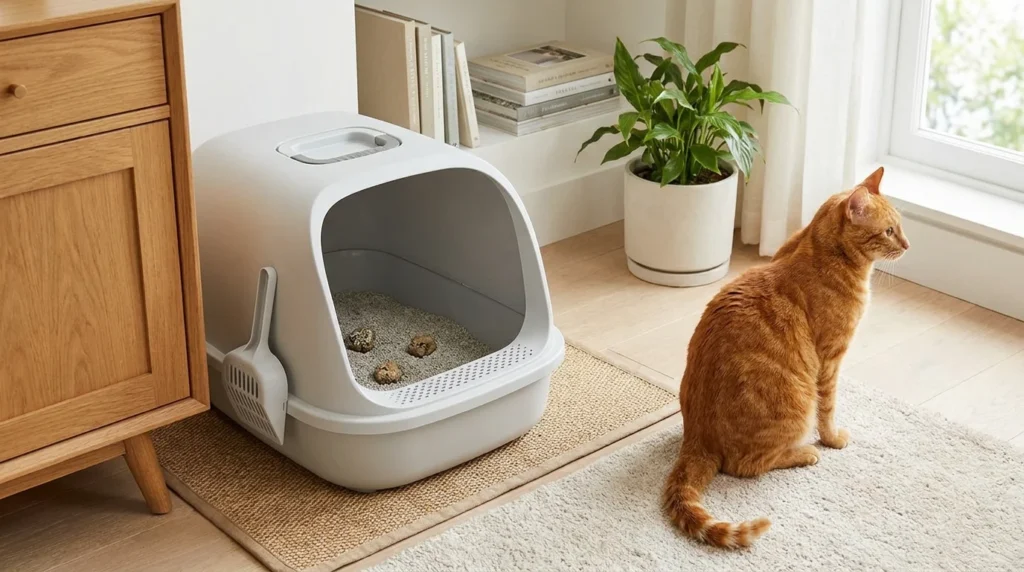
Many different conditions can change a cat’s bowel movements, so an abnormal bowel movement is better viewed as a symptom than as a diagnosis. Some causes are temporary and relatively simple, while others require testing and medical treatment, making the cat’s overall condition and duration of symptoms especially important. A veterinary history may include questions about recent changes in diet, access to plants or foreign objects, stress, medications, parasite prevention, appetite, vomiting, and changes in weight or behavior.
Common possibilities include the following.
- A sudden food or treat change.
- Food intolerance or dietary irritation.
- Stress or environmental disruption.
- Intestinal parasites.
- Bacterial or viral infections.
- Constipation or dehydration.
- Inflammatory gastrointestinal disease.
- Swallowed hair or foreign material.
- Liver, kidney, thyroid, pancreatic, or other systemic disorders.
- Medication side effects.
- Gastrointestinal tumors or other structural disease.
The same appearance can have several possible explanations, which is why a color chart should be treated as a screening tool rather than a home diagnosis. Yellow stool, for example, does not prove that a cat has liver disease, and hard pellets do not tell you exactly why the cat is constipated. The safest approach is to combine what you see in the box with the cat’s appetite, energy, hydration, vomiting history, comfort, and normal bowel routine.
What to Know About Cat Diarrhea
Cat diarrhea means stool has become abnormally loose or watery and may also occur more frequently than normal. Short-lived episodes can follow stress or an abrupt change in diet, but parasites, infections, inflammatory conditions, organ disease, and other illnesses can also cause diarrhea. Contact a veterinarian sooner rather than later when diarrhea is repeated, extremely watery, bloody, accompanied by vomiting or lethargy, or fails to improve within roughly a day or two.
Do not automatically give a cat human anti-diarrheal medication because products that are acceptable for people are not necessarily safe for cats. Some over-the-counter medicines can be harmful to cats, making veterinary guidance important before giving medications or supplements. Your veterinarian can decide whether the cat needs supportive care, a fecal test, dietary management, medication, blood testing, imaging, or another diagnostic approach.
What to Know About Cat Constipation
Constipation typically results in infrequent, difficult, hard, or dry bowel movements, and affected cats may strain repeatedly while passing little stool. Causes can include dehydration, ingestion of indigestible material, gastrointestinal obstruction, certain medications, electrolyte imbalances, neuromuscular disorders, and other medical conditions, while some cases have no clearly identifiable cause. Chronic or severe constipation can eventually impair normal colon function, so recurring episodes deserve veterinary evaluation rather than repeated home treatment.
Hydration, dietary changes, fiber, laxatives, enemas, and medications that affect intestinal movement can all be part of veterinary management. Still, the right approach depends on the individual cat and the cause. Do not give a human enema or laxative unless your veterinarian specifically instructs you to use a particular product and dose for your cat. If the cat is vomiting, refusing food, acting painful or lethargic, or repeatedly straining without producing stool, prompt veterinary care is especially important.
When Should You Call a Vet About Litter-Box Changes?
Not every unusual bowel movement requires an emergency visit, but several signs justify contacting a veterinarian promptly. The combination of an abnormal stool and a cat that seems physically unwell is generally more concerning than a single mildly soft stool in a cat that is otherwise behaving normally. Kittens, senior cats, pregnant cats, and animals with existing medical conditions may also become ill more quickly and deserve a lower threshold for professional advice.
Seek veterinary advice promptly in the following situations.
- Black, sticky, tar-like stool.
- Obvious or repeated blood in the feces.
- Severe or repeated watery diarrhea.
- Diarrhea accompanied by vomiting, lethargy, or poor appetite.
- Repeated straining with little or no stool.
- No bowel movement for roughly 48–72 hours.
- Significant pain or vocalizing in the litter box.
- A foreign object or string protruding from the rectum.
- Repeated large amounts of mucus.
- Worm-like or rice-like material in the stool.
- Persistent yellow, orange, very pale, gray, or unusual green stool.
- Any major change in stool combined with weakness or unusual behavior.
One important caution is that straining in the litter box is not always a sign of constipation. Cats with urinary problems can also squat, strain, and make repeated trips to the box, and an inability to urinate can be a life-threatening emergency, particularly in male cats. If you cannot tell whether your cat is trying unsuccessfully to poop or urinate, seek veterinary advice rather than waiting for the situation to become clearer.
What to Do Before the Veterinary Appointment
The litter box can give your veterinarian useful diagnostic information, so avoid cleaning away every clue before documenting what happened. Take one or two well-lit photographs, note when the abnormal stool first appeared, and record changes in appetite, drinking, vomiting, activity, food, treats, medications, and bowel frequency. If your veterinary clinic wants a stool sample, ask how they prefer it to be collected and stored, as testing requirements can vary.
A practical record can include the date, the approximate number of bowel movements, the color and consistency, any visible blood or mucus, and any straining. In a multi-cat household, temporarily monitoring litter-box use more closely may be necessary to determine which cat has the problem. Giving the veterinarian a short, specific timeline is usually more useful than trying to diagnose the stool yourself from an online photograph.
Cleaning Up Feces Outside the Litter Box
If your cat has an accident on the floor, carpet, or furniture, remove the solid material as quickly as possible while avoiding unnecessary contact with the feces. Wear disposable gloves when practical, clean the affected surface appropriately, wash your hands afterward, and avoid using strongly scented products around the cat until the area is dry and ventilated. For accidents on rugs or carpeting, LifeFie’s chemical-free carpet cleaning guide offers additional tips for keeping carpets cleaner without relying entirely on harsh cleaning products.
Repeated accidents outside the litter box should not automatically be treated as bad behavior. Constipation, diarrhea, pain, difficulty entering the box, litter aversion, stress, or other medical and environmental problems can all influence where a cat eliminates. If inappropriate defecation begins suddenly or occurs together with abnormal stool, appetite changes, pain, or other symptoms, a veterinary check is a sensible next step.
Is Cat Poop Dangerous to People?
Cat feces can contain germs and parasites that can cause disease in people, so proper hygiene matters even when the cat appears healthy. Wash your hands thoroughly with soap and running water after cleaning a litter box or handling anything contaminated with feces, and keep litter boxes away from food-preparation areas and young children. Removing feces daily and keeping up with routine veterinary care and parasite prevention can further reduce household exposure.
Toxoplasma gondii deserves special attention for people who are pregnant or have weakened immune systems because infection can cause serious complications in these groups. When possible, another household member can handle litter-box cleaning during pregnancy or periods of significant immunosuppression, while anyone who must do the task should follow sensible hygiene precautions. These precautions do not mean people need to give up their cats, but they do make consistent litter-box cleaning and careful handwashing particularly important.
The Bottom Line
Your cat’s litter box provides a simple daily opportunity to notice changes in digestive health before they become easy to overlook. Healthy stool is generally brown, formed, firm but not hard, and fairly consistent in frequency and smell. In contrast, blood, black, tarry stool, severe diarrhea, repeated straining, unusual contents, or major or persistent changes deserve veterinary attention. Learning your cat’s normal pattern can help you recognize meaningful changes sooner and give your veterinarian clearer information when something seems wrong.
Regular litter box cleaning, basic hygiene, appropriate parasite prevention, and attention to changes in appetite or behavior are important parts of responsible cat care. Stool appearance can provide clues, but it should not be used as a stand-alone diagnosis or a reason to delay professional care when a cat seems ill.
Frequently Asked Questions About Cat Stool
What does normal cat poop look like?
Normal feline stool is generally brown to dark brown, well formed, and shaped like a compact log or sausage. It should be firm enough to hold together but not so dry or hard that the cat has difficulty passing it. Ideally, it leaves little residue when you scoop it from the litter.
How many times a day should a cat poop?
Many adult cats poop roughly once per day, although some healthy cats have slightly different schedules. A stable routine is often more important than an exact number, so learn what is normal for your own cat. Contact your veterinarian if frequency suddenly changes or your cat goes two to three days without stool, particularly if there is straining, vomiting, poor appetite, or discomfort.
Why is my cat’s poop soft but not diarrhea?
A soft but still formed stool can occur with a minor digestive upset, stress, a diet change, or several other causes. One isolated episode in an otherwise normal cat may need monitoring, but repeated soft stools indicate that something is disrupting normal digestion. If the problem persists or occurs with vomiting, blood, mucus, poor appetite, or lethargy, contact your veterinarian.
What does black cat stool mean?
Truly black, sticky, tarry stool may contain digested blood from bleeding higher in the gastrointestinal tract. Dark brown, food-colored stool can appear nearly black in litter or poor lighting, so examining a fresh sample in good light can help you describe it accurately. If the stool is genuinely black and tar-like, contact a veterinarian promptly instead of waiting several days to see whether it disappears.
Why does my cat have mucus in its poop?
The colon naturally produces mucus, and a small amount on an otherwise normal bowel movement can occur without signaling a problem. Repeated or excessive mucus when mixed with blood, accompanied by straining, diarrhea, or unusual behavior, can indicate irritation or inflammation. Photograph the stool and contact your veterinarian if the mucus persists or your cat develops additional symptoms.
Are white rice-like pieces in cat stool worms?
Small pieces resembling grains of rice can be tapeworm segments, particularly when they are seen in fresh feces or around the cat’s rear end. Appearance alone should not be used to choose a treatment because different parasites require different approaches, and testing may sometimes be necessary. Ask your veterinarian about appropriate parasite control and flea prevention because fleas can play a role in the life cycle of some common feline tapeworms.
Should I change my cat’s food if the poop looks abnormal?An abrupt change
AA abruptchange in dietcan upsett a cat’s gastrointestinal tract, so repeatedly switching diets without knowing the cause may make the situation harder to interpret. If a new food clearly preceded a mild change and the cat otherwise feels well, document the timing and ask your veterinarian whether a gradual dietary adjustment is appropriate. Persistent diarrhea, constipation, blood, vomiting, weight loss, or other illness needs veterinary assessment rather than trial-and-error food changes.