Just like humans, dogs need to learn essential life skills that help them thrive and receive the care they deserve. Proper training not only supports their socialization with other people and dogs but also helps prevent aggressive behavior, which tends to be more prevalent in certain breeds.
Effective training contributes to stress-free, happier lives for both dogs and their owners. Unfortunately, many people neglect to train their companion dogs, missing the opportunity to build a strong, positive relationship. By exploring various training options, such as those available at See Website, you can discover the best methods suited for your canine companion.
Ensuring your dog develops good habits is crucial for peaceful coexistence among family members and other pets. Well-trained dogs are easier to manage and generally lead more balanced lives compared to those without proper obedience and socialization training.
As a responsible dog owner, investing time and effort in training is essential. Partnering with a professional trainer who understands each stage of the process can make a significant difference. Additionally, understanding the core skills every dog should master and the factors to consider before training starts will set you up for success.
The Crucial Skills Your Dog Should Have
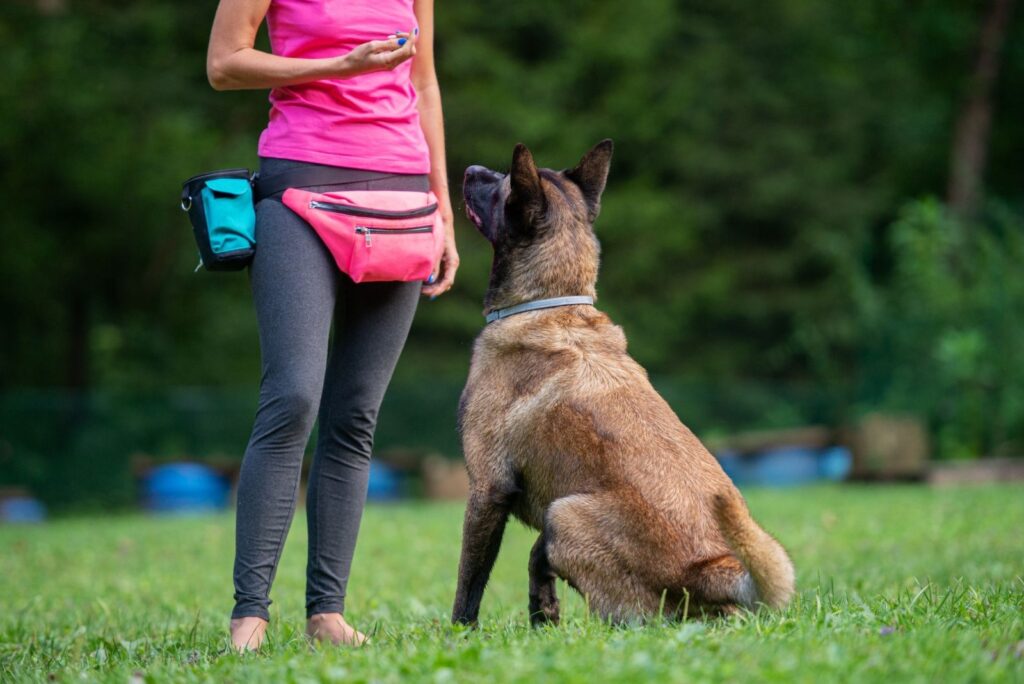
Owning a dog comes with specific responsibilities, such as ensuring your dog always wears identification tags on their collar and cleaning up after them in public places. Beyond these basics, it’s important that dogs learn to navigate social environments effectively. They need to adapt to interactions with other dogs, people, and various situations that they may not naturally be prepared for without training.
Neglecting socialization and obedience training can lead to behavioral problems and increased anxiety in dogs, negatively impacting their quality of life—and yours. Utilizing positive reinforcement and consistent training techniques can help cultivate desirable behaviors. Here are the key skills every dog should learn:
- Recall
Recall is arguably the most critical skill for your dog’s safety and your peace of mind. It ensures that your dog returns to you promptly when called, preventing potential dangers such as running into traffic or getting lost. Training methods like the e-collar can be used effectively, though it’s important to use them responsibly and combine them with reward-based techniques, tactile cues, or vibration collars for the best results.
Consistently rewarding your dog when they respond correctly reinforces this behavior. For professional assistance, consider trainers like:
Sit Means Sit Dog Training Pittsburgh North
354 Glen Eden Rd,
Rochester, PA 15074
Phone: +1 412-440-8748
- Sit
The “Sit” command is one of the foundation skills every dog should know. It plays a vital role in controlling your dog in various situations, improving safety for both your dog and others around them. For example, it prevents impulsive chasing behavior when a small animal suddenly appears.
Training your dog to sit on command can be done through positive reinforcement techniques, with treats and praise. Hiring a knowledgeable trainer is especially beneficial if your dog is a large or strong breed, as professional guidance helps maintain control while fostering a calm and confident relationship.
- Stay
The “Stay” command is crucial for ensuring your dog remains calm and stationary even amidst distractions, which can prevent dangerous situations or damage. While teaching this command requires patience, it strengthens your dog’s impulse control and focus on you.
Proper training techniques can help your dog resist sudden urges to approach distractions, keeping them safe and obedient. To learn more about the rules and best practices for traveling and caring for your dog, visit clicking here and https://www.ada.gov/topics/service-animals/.
If you’re interested in further topics like “Best Dog Food for Small Dogs with Allergies,” explore our dedicated category here: Pets.
Frequently Asked Questions (FAQs)
Dog training improves your pet’s behavior, helps build a strong bond, enhances safety, and prevents behavioral issues like aggression or anxiety.
It is ideal to start training your dog as early as 7 to 8 weeks old to establish good habits early, but it’s never too late to begin training at any age.
Basic obedience commands can typically be taught within a few weeks to months, depending on the dog’s breed, age, and consistency of training.
While many owners successfully train their dogs at home, professional trainers provide expertise and tailored strategies that can be especially helpful for challenging behaviors or specific breed needs.
Positive reinforcement, which rewards desired behavior with treats, praise, or play, is widely regarded as the most effective and humane training method.