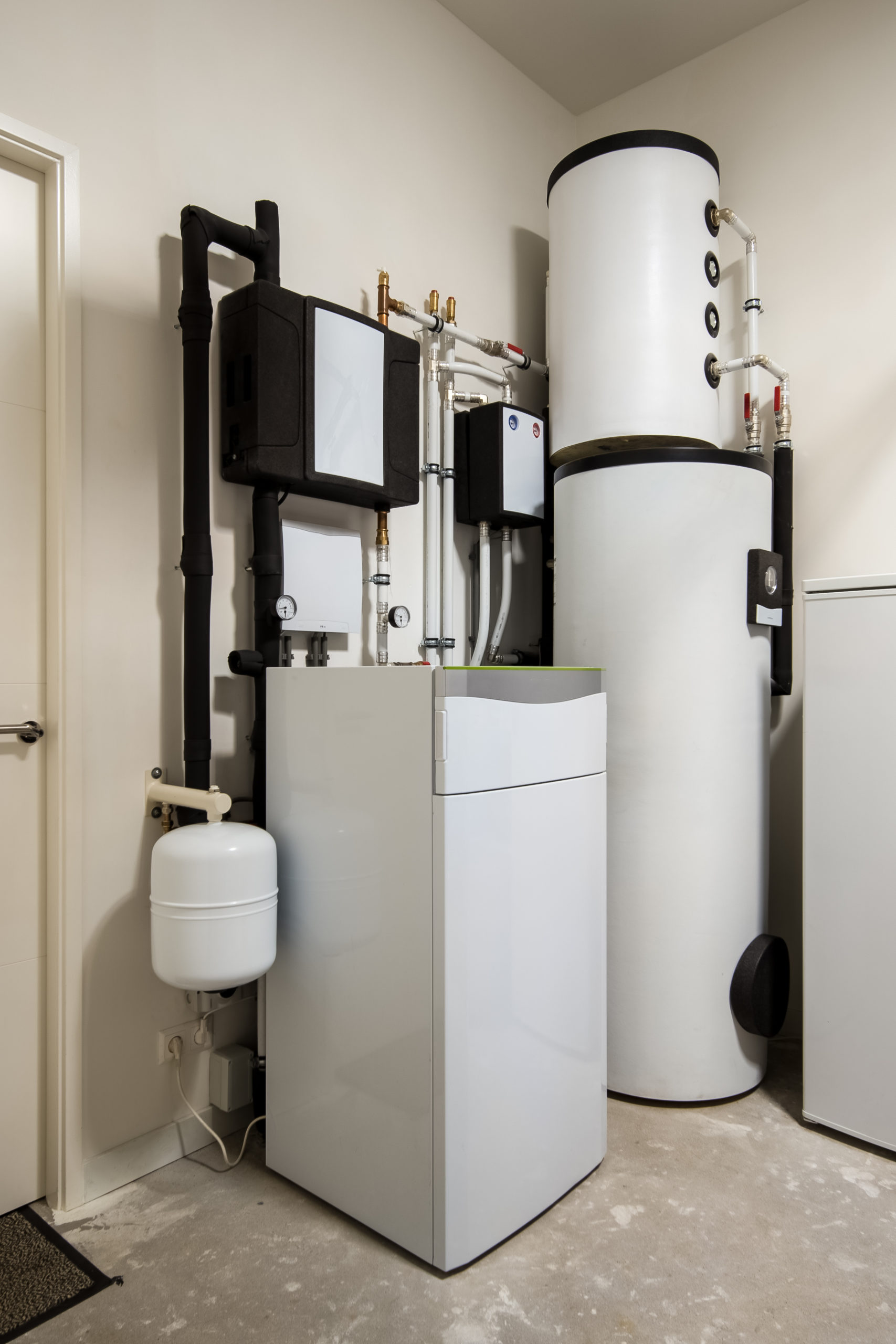
Heat Pump
A heat pump is an energy-efficient alternative to traditional furnaces and air conditioning systems used for home heating and cooling. It operates by transferring heat using electricity, moving warmth from cooler to warmer areas. During winter, a heat pump extracts heat from the outdoor air, even in cold temperatures, to warm your home. In summer, it reverses the process, removing indoor heat and releasing it outside to cool your space.
Unlike furnaces that generate heat by burning fuel, heat pumps transfer existing heat, making them considerably more energy-efficient. Although they don’t produce heat directly, heat pumps maintain comfortable indoor temperatures year-round with lower energy consumption.
Furnace
The furnace is one of the most common heating appliances found in homes. It generates heat by burning a fuel source—most commonly natural gas, oil, or propane. The furnace ignites the fuel with a pilot light or electric ignition to produce heat, which is then distributed throughout the home via a blower fan.
Key components of a furnace include the burner (where fuel combustion occurs), heat exchangers (which transfer the generated heat), the blower fan that circulates warm air, and the flue that safely expels combustion gases outside.
Performance Comparison
Furnaces create heat by burning fuel such as gas or oil, while heat pumps use electricity to transfer heat from outdoors to indoors. Heat pumps typically produce less direct heat than furnaces and perform most efficiently in moderate to warm climates. However, their ability to both heat in winter and cool in summer offers versatility that traditional furnaces lack.
For homeowners in warmer regions, a heat pump provides year-round climate control without needing separate heating and cooling units. Furnaces supply only heat, so a separate air conditioning system is necessary during hot months.
One major advantage of heat pumps over conventional HVAC systems is their elimination of separate units for heating and cooling. Because heat pumps transfer heat rather than generate it by combustion, they tend to be more environmentally friendly and energy-efficient compared to gas furnaces.
Additionally, combining a furnace with a heat pump creates a dual-fuel system in some areas, optimizing energy use based on outdoor temperature. For example, a propane furnace can work alongside an air-source heat pump to automatically switch between heat sources, reducing operating costs.
Energy Efficiency
Comparing energy efficiency between gas furnaces and heat pumps requires consideration of climate and fuel costs. Heat pumps can achieve efficiencies exceeding 300%, meaning they deliver three times more thermal energy than the electrical energy consumed. Meanwhile, high-efficiency gas furnaces, like the Continental Infinity 98 with Greenspeed® Intelligence, can reach Annual Fuel Utilization Efficiency (AFUE) ratings up to 98.5%.
In warmer climates, heat pumps typically consume less energy than gas furnaces. In colder regions, high-efficiency gas furnaces paired with ENERGY STAR certified heating systems may offer better performance. Since natural gas prices are usually lower than electricity rates, long-term operating costs should also be a key factor in your decision.
Maintenance
Routine maintenance helps both heat pumps and furnaces operate efficiently and extend their lifespan. Both systems use air filters that should be replaced regularly by homeowners. Residential heat pumps include outdoor and indoor units; both require annual cleaning and inspection.
Gas furnaces do not have outdoor units but often pair with central air conditioners in multi-system setups, which also demand regular servicing. Your HVAC specialist can recommend a tailored maintenance schedule based on your specific equipment and usage.
Read More: What Is Mouse Acceleration? And How To Turn Off The Mouse Acceleration?
Space Requirements
Furnaces are typically installed indoors and require at least 30 inches of clearance around them for service access. Heat pumps are usually located outdoors and need about 24 inches of clearance to operate effectively. Most air-source heat pumps also include a fan coil unit as an indoor air handler.
Carrier offers a wide range of furnaces, including gas models convertible to propane, along with various heat pump options to accommodate the space and comfort needs of nearly every home.
Oil Furnace vs. Heat Pump
In areas where oil furnaces are commonly used, the comparison between oil furnaces and heat pumps mirrors that of gas furnaces versus heat pumps. Oil furnace installation costs can be significant, and heat pumps require both an outdoor unit and indoor air handler.
Consider the price fluctuations of heating oil relative to electricity costs. Heat pumps often provide an efficient solution in milder climates, while oil furnaces can deliver reliable heat even during extreme cold spells well below freezing.
Oil furnaces require manual refilling to avoid running out of fuel, whereas heat pumps continue operating as long as there is electricity and no power outages occur. When other factors are similar, personal preferences for electric versus oil heating may influence your choice.
Read More: Costs Associated With a New Combi Boiler Installation
Electric Furnace vs. Heat Pump
Both electric furnaces and heat pumps use electricity to heat homes, making them popular in southern regions with milder winters and higher cooling needs. Electric furnaces rely on electric resistance coils to generate heat, while heat pumps transfer heat from outside air into the home.
Heat pumps sometimes incorporate electric resistance coils as a supplemental heat source during extreme cold weather. Although electric furnaces are nearly 100% efficient at converting electricity to heat, operating costs can be up to 2.5 times higher than those of heat pumps for the same heating output.
Major Factors to Consider
Heat pumps provide both heating and cooling capabilities, reducing the necessity for separate systems. Electric furnaces require an additional air conditioning unit for cooling during summer months.
Most of the discussion here focuses on air-source, forced-air heat pumps, which are the most prevalent in the United States. For those interested in geothermal or ground-source heat pumps, these units offer even higher energy efficiency but come with increased upfront installation costs.
Ductless mini-split heat pumps are another option often used in commercial buildings or home additions where ductwork is unavailable, offering targeted heating and cooling without major renovations.
Cost of Furnace and Heat Pump
The costs for furnaces and heat pumps vary widely depending on system type, efficiency, and installation location. Traditional furnaces generally cost between $2,000 and $6,000, while high-efficiency models can reach $10,000 or more. Heat pumps range from $3,000 to $7,000 for basic models and can exceed $15,000 for premium systems.
Installation expenses typically range from $2,000 to $5,000, influenced by system complexity and local labor rates. Maintenance and tune-up services can add several hundred dollars annually. Despite higher initial costs, long-term savings from improved energy efficiency often offset these expenses.
Ultimately, selecting between a furnace and heat pump should consider your climate, energy prices, and comfort preferences. Comparing multiple contractor quotes can help ensure you receive the best value for your investment.
For additional information, please explore Achieving Comfort and Efficiency with Expert Heating Installation or visit our Home Improvement category.
Frequently Asked Questions (FAQs)
Heat pumps can transfer up to 300% more energy from renewable sources under optimal conditions, making them more energy efficient than traditional gas furnaces, which typically operate at around 95% efficiency. This translates into potential fuel cost savings with heat pumps.
Heat pumps generally have higher upfront costs compared to furnaces or standalone air conditioners. However, because heat pumps provide both heating and cooling, they can be more cost-effective than purchasing and maintaining separate furnace and air conditioner systems.
Annual maintenance is recommended for both heat pumps and furnaces. Regular filter changes, cleaning of units, and inspection by a qualified HVAC technician help ensure efficient operation, prevent breakdowns, and extend the life of your system.
Modern heat pumps are designed to work efficiently even in cold climates, with advanced models capable of extracting heat from outdoor air at temperatures well below freezing. In very cold regions, they are often paired with backup heating systems like furnaces or electric resistance heaters.