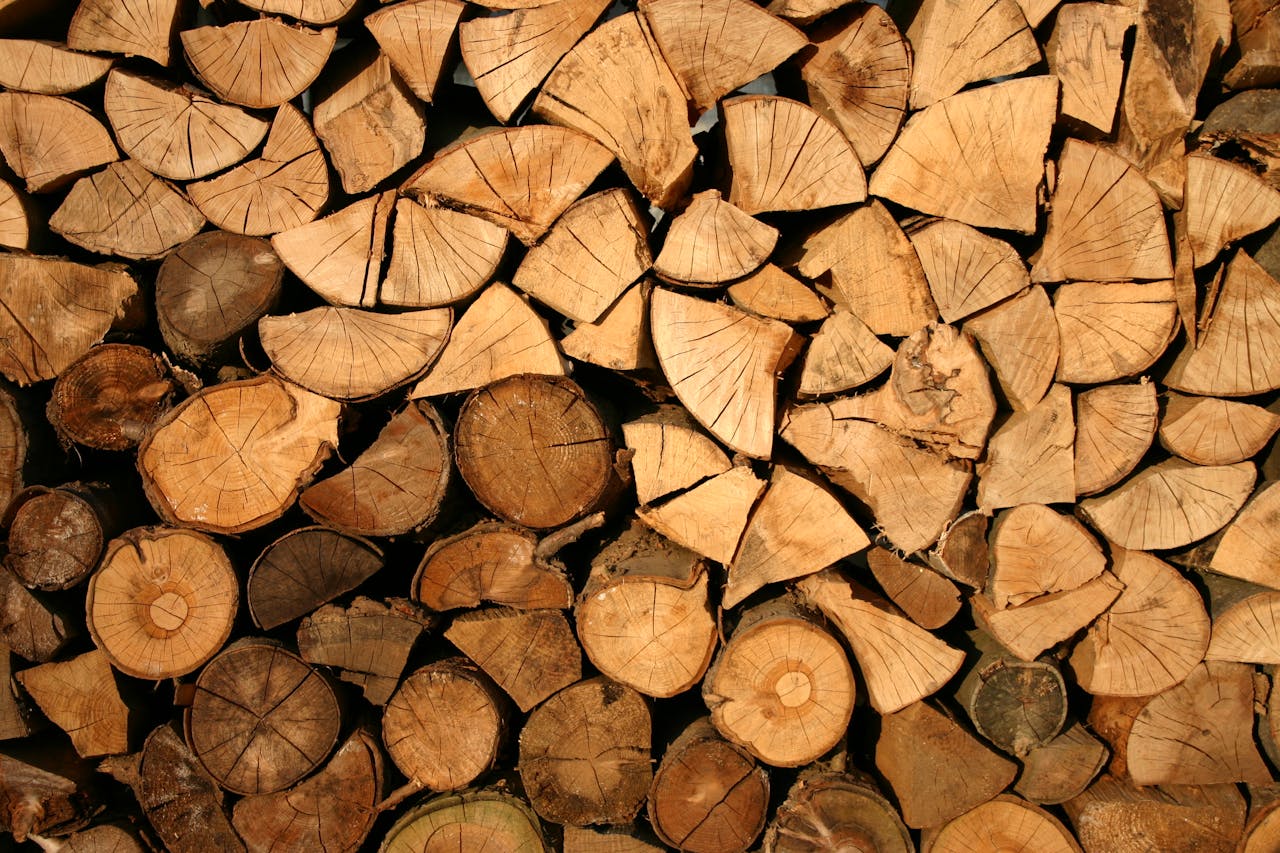
Biomass fuels represent a highly promising avenue for renewable energy generation, utilizing organic materials such as wood products, crop residues, and various waste streams to produce clean, sustainable energy. As global concerns about climate change and energy security intensify, biomass fuels emerge as a viable and eco-friendly alternative to conventional fossil fuels.
The Role of Biomass Fuels in Energy Generation
- Local Importance and Global Potential:
- Biomass fuels continue to play a crucial role both locally and globally, especially in developing regions where access to traditional energy sources is limited. With fluctuating oil and gas prices, there is an increasing emphasis on advancing technologies to enhance biomass energy conversion efficiency.
- Looking ahead, biomass fuels could supply up to 50% of global energy demand by 2050, contingent upon significant investments in technology innovation, infrastructure development, and sustainable resource management.
- Pellets vs. Unprocessed Biomass:
- Pelletizing biomass enhances fuel quality by increasing calorific value, and improves handling, transport, and storage capabilities. However, the cost implications of pellet production must be assessed carefully to ensure economic feasibility compared to using unprocessed biomass.
- Biomass Sources and Conversion Technologies:
- Biomass fuels originate from diverse sources including wood chips, agricultural residues, animal manure, and municipal solid waste. Cutting-edge conversion technologies like gasification are unlocking the potential to transform biomass into versatile energy carriers such as hydrogen gas.
- Microalgae stand out as a highly efficient biomass source due to their rapid growth rates and superior photosynthetic capacity. Furthermore, emerging processes, including the Fischer-Tropsch synthesis, enable the conversion of crop residues into synthetic liquefied petroleum gas (LPG), expanding the scope of biomass applications.
Considerations for Utilizing Biomass Fuels
- Fuel Standards and Properties:
- Biomass fuels have specific characteristics like moisture content, bulk density, and durability that impact their combustion efficiency and storage stability. Adhering to established fuel standards ensures optimal compatibility with existing energy systems and maximizes performance.
- Challenges and Opportunities:
- Despite their benefits, biomass fuels face challenges including competition for land and water resources, potential environmental impacts, and supply chain logistics. Continuous research and development are critical to overcome these hurdles and to enhance conversion technologies.
- Diverse Applications:
- Biomass fuels offer versatile applications across residential, commercial, and industrial sectors. They can be used for heating, electricity generation, and as feedstock for bio-based products, providing a sustainable energy solution in various contextsheating solutions for energy needs.
Future Outlook and Potential Developments
- Sustainable Growth Strategies:
- Strategic investments in renewable energy infrastructure, alongside supportive policies and incentives, are essential to unlock the full potential of biomass fuels. Policy frameworks encouraging carbon reduction will further enhance biomass adoption.
- Technological Innovations:
- Ongoing advancements in biomass conversion methods and fuel production processes are expected to improve energy conversion efficiency and reduce costs, making biomass fuels increasingly competitive relative to fossil fuels.
- Global Collaboration and Partnerships:
- Effectively addressing biomass-related challenges requires international cooperation. Sharing knowledge, transferring technology, and building capacity worldwide will accelerate progress toward a sustainable energy future.
Conclusion
Biomass fuels present a vital pathway toward a sustainable, diversified energy future. By tapping into renewable organic materials, we can decrease dependence on fossil fuels, reduce environmental impacts, and stimulate economic growth, especially in rural and underserved communities. With focused investment, innovation, and international collaboration, biomass fuels are poised to play a significant role in tomorrow’s global energy landscape.
Additionally, if you are interested in learning more about “Top Small Business Ideas to Start in5 Soft Skills That Every Successful Leader Must Have 2023,” please visit our “Technology” category for in-depth information.
Frequently Asked Questions (FAQs)
Biomass fuels are renewable energy sources derived from organic materials like wood, crop residues, and waste. They can be converted into heat, electricity, or biofuels through processes such as combustion, gasification, or fermentation.
Biomass fuels can be sustainable if sourced responsibly, as they recycle carbon dioxide through the natural growth cycle of plants. Unlike fossil fuels, they have the potential to be carbon-neutral and reduce greenhouse gas emissions.
Key challenges include competition for land and water resources, supply chain logistics, potential environmental impacts, and the need for advanced technologies to improve conversion efficiency and reduce costs.
Yes, biomass fuels can be scaled up for large industrial applications such as power plants and manufacturing processes, as well as for heating and electricity generation in smaller settings.
Innovative technologies like advanced gasification, bio-refineries, and algae-based biofuels are being developed to increase energy yield, reduce production costs, and expand the applications of biomass fuels.